The Gewo Journal

Health knowledge,
from doctors.

Explore practical, patient-friendly guidance published by doctors in the Gewo care network. No account is required to read.

112 published articles

Latest thinking

All doctor blogs

13
Mental Health5 min read

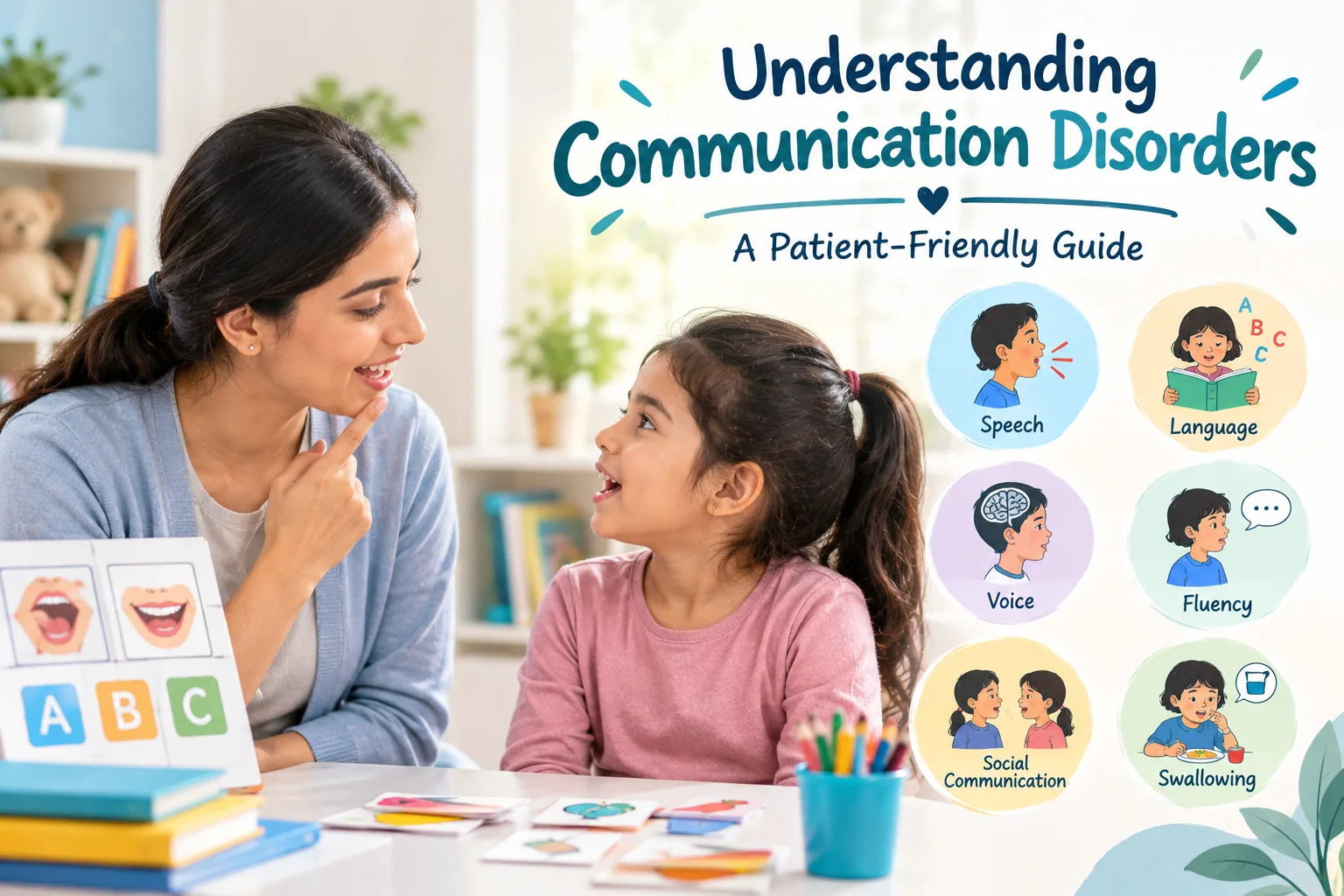
Children’s Mental Health Today: Common Challenges and Why They Happen?

Children and adolescents may experience anxiety, depression, behavioural difficulties, attention problems, eating concerns, social withdrawal, or distress related to digital experiences. When symptoms persist or interfere with school, relationships, sleep, eating, or daily life, professional support may be needed. Mental health is influenced by development, family, school, social experiences, physical health, and the environment.
14
Fitness5 min read

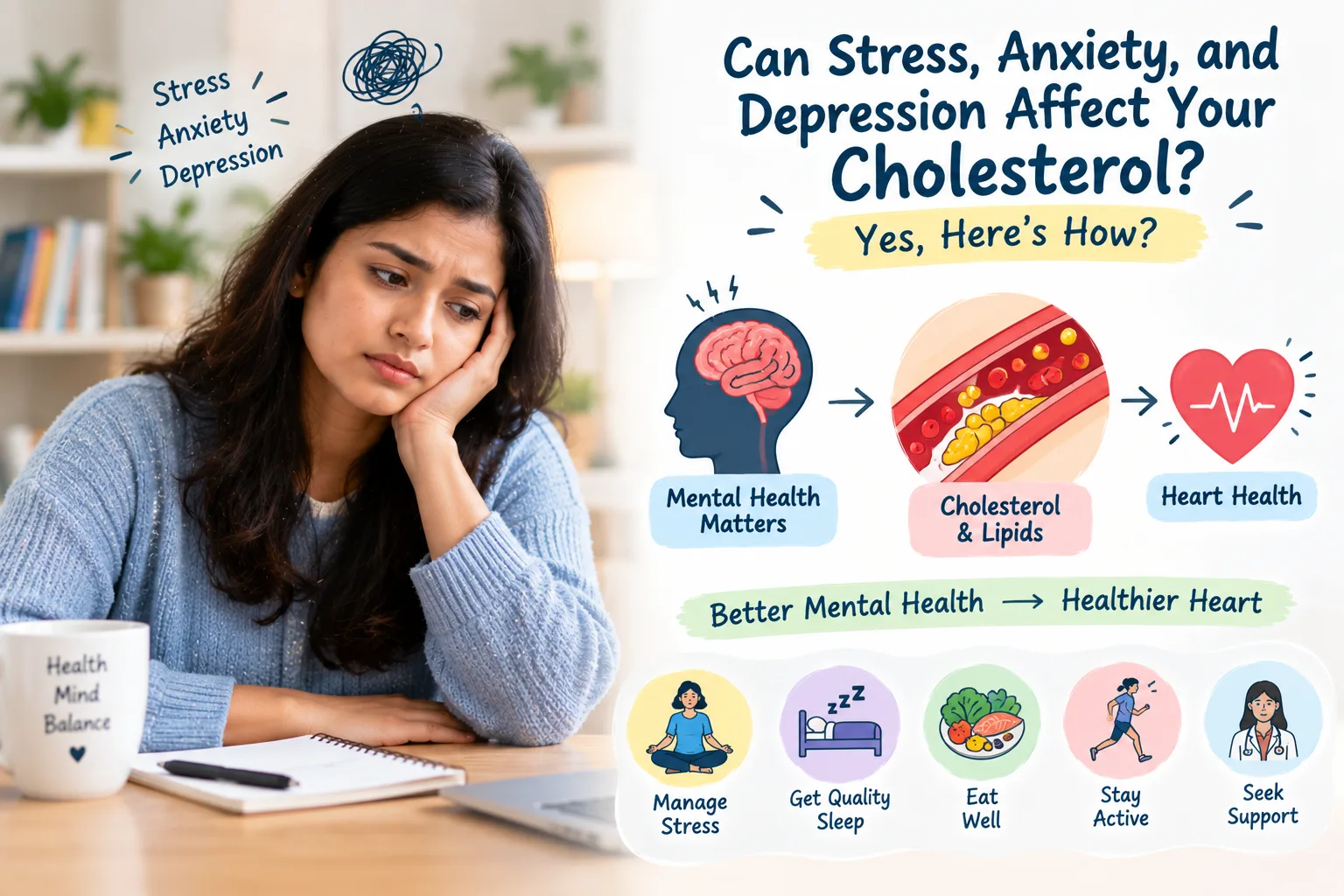
Can Stress, Anxiety, and Depression Affect Your Cholesterol?

Stress, anxiety, and depression may influence cholesterol and triglyceride levels through hormonal, inflammatory, metabolic, and behavioral pathways. Chronic stress can affect cortisol, sleep, physical activity, eating habits, and overall metabolic health. If cholesterol levels change unexpectedly, it is important to consider these factors while also checking other possible causes.

15
Mental Health4 min read

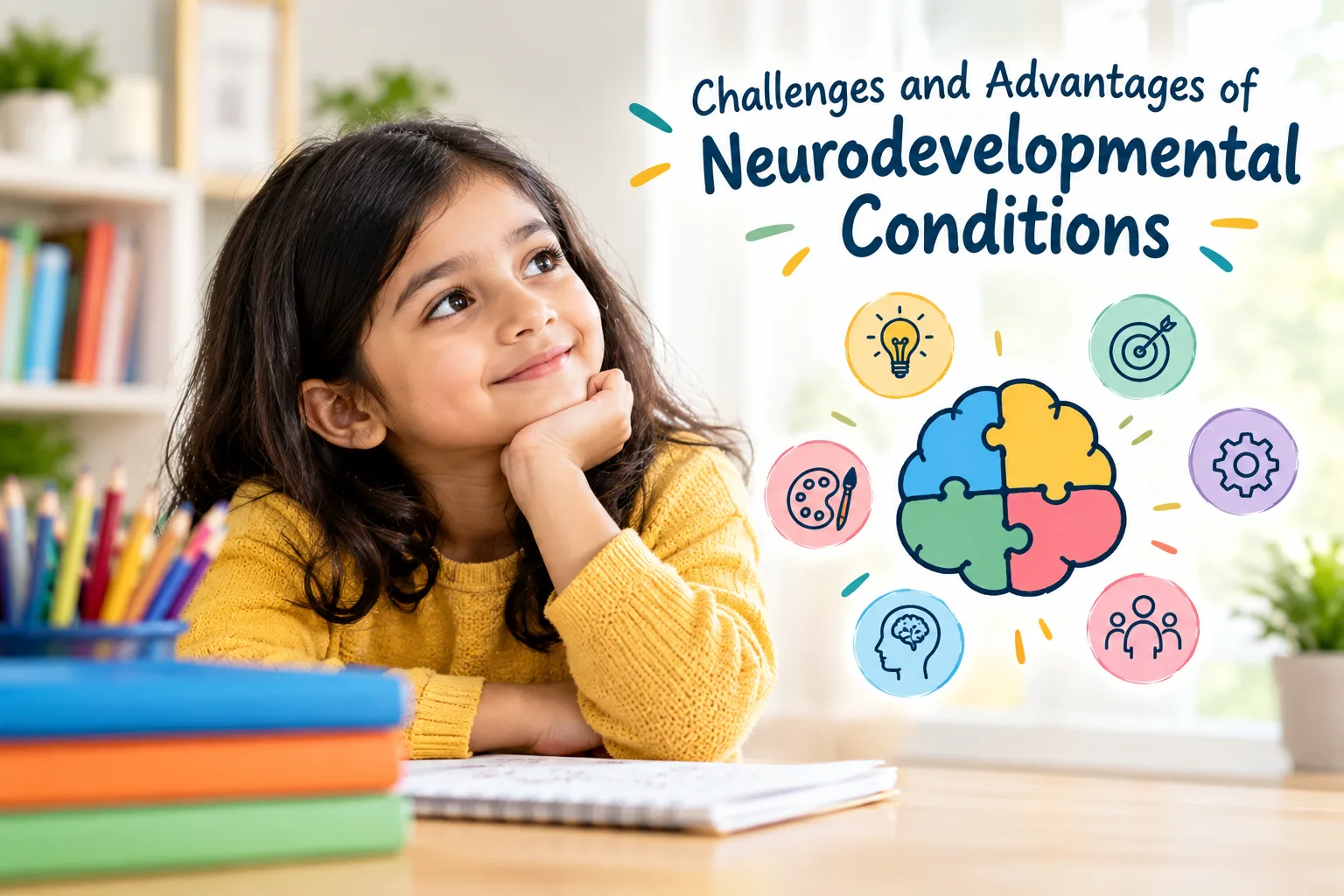
Challenges and Advantage of Neurodevelopmental Conditions

Neurodevelopmental conditions affect how the brain develops and processes information, influencing learning, communication, attention, behavior, movement, or social interaction. Conditions such as autism, ADHD, dyslexia, developmental coordination disorder, and intellectual disability can present differently in each person. While challenges may affect daily life, strengths such as creativity, deep focus, attention to detail, and pattern recognition can also emerge.

17
Mental Health5 min read

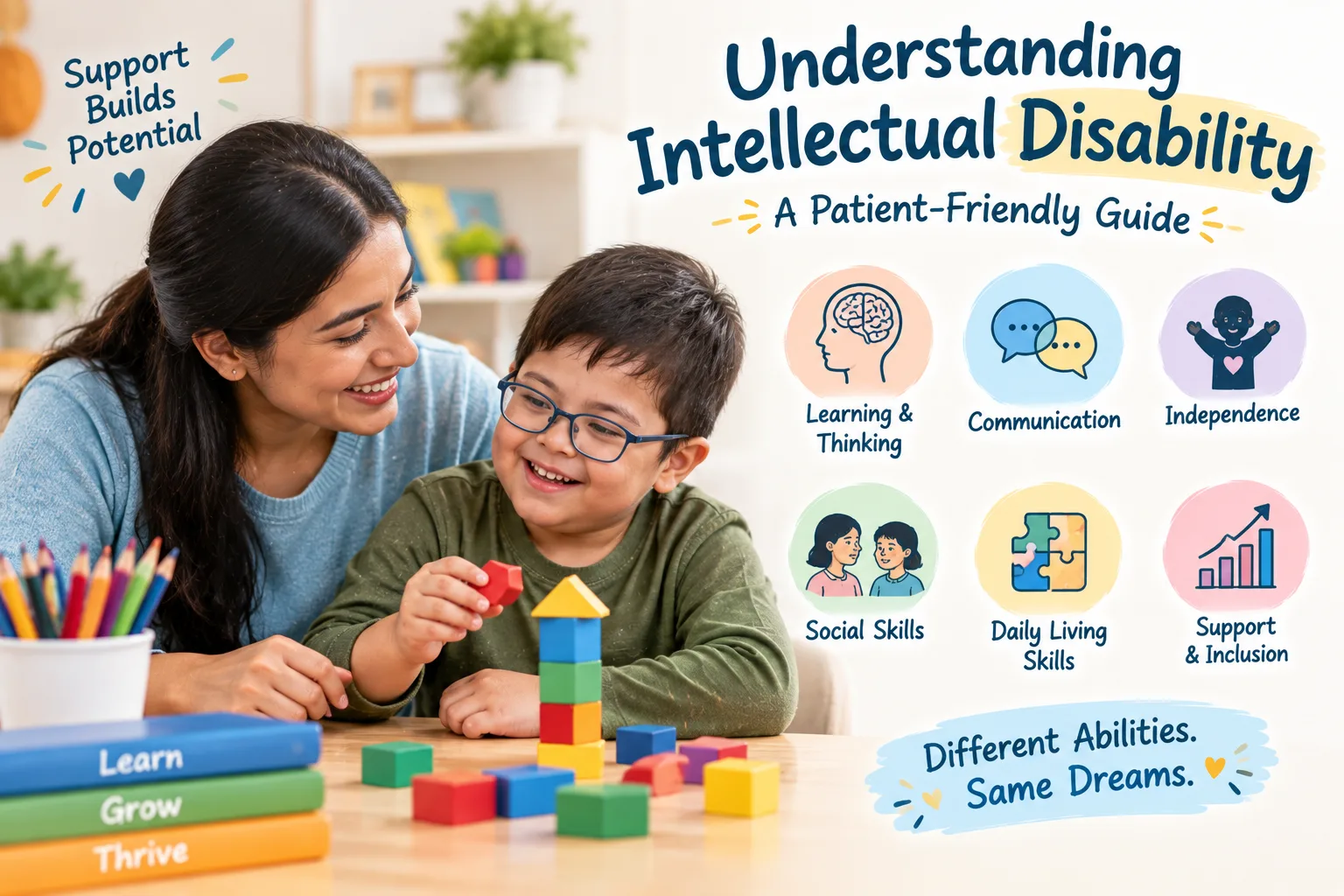
Understanding Intellectual Disability: A Patient-Friendly Guide.

Intellectual disability is a lifelong neurodevelopmental condition that affects learning, reasoning, communication, problem-solving, and everyday adaptive skills. Signs may include delayed developmental milestones, learning difficulties, communication challenges, and difficulty with daily activities. Causes can include genetic conditions, pregnancy or birth complications, infections, toxins, or brain injury.

18
Wellness4 min read

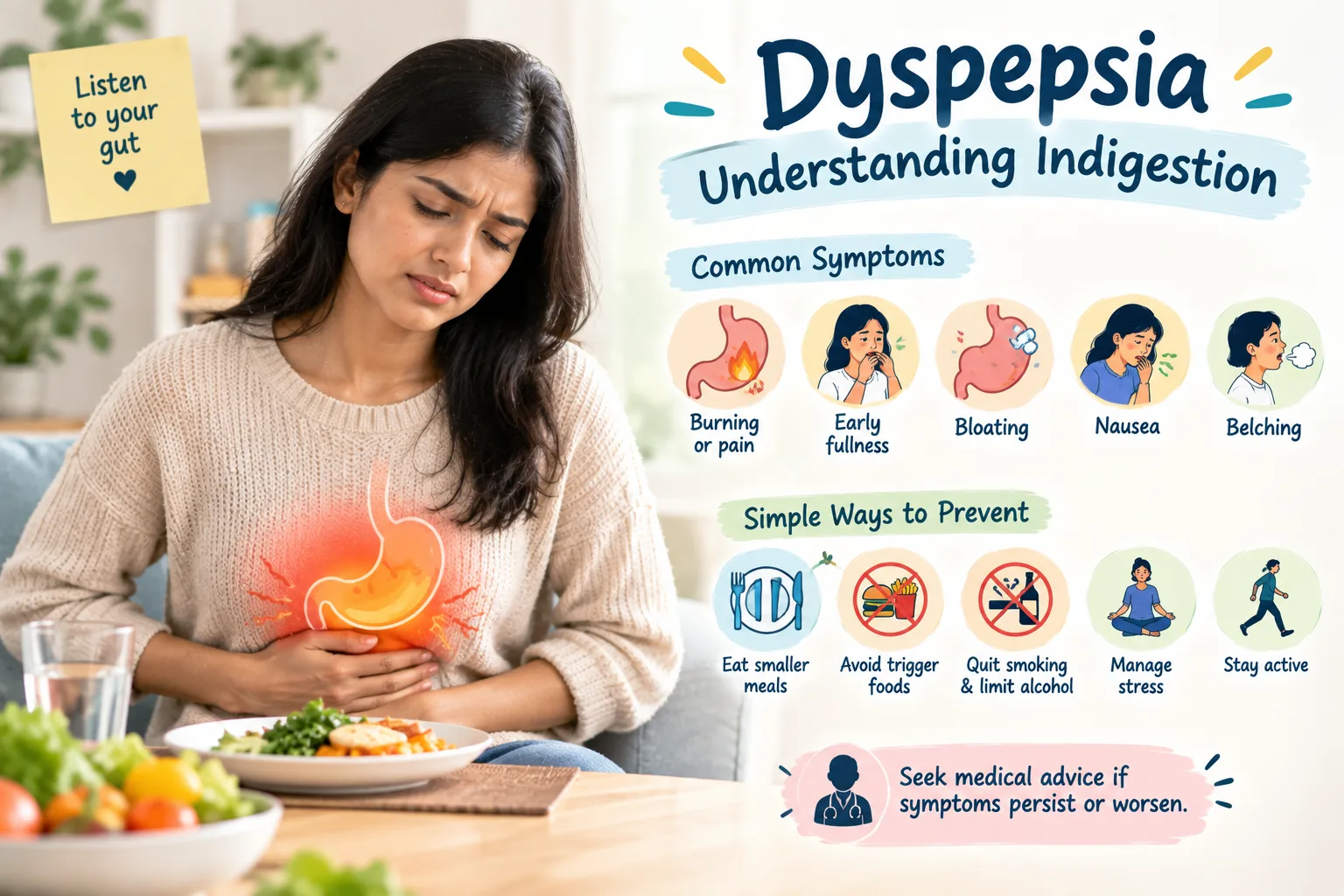
Dyspepsia: Understanding Indigestion

Dyspepsia, commonly known as indigestion, causes discomfort in the upper abdomen and may include burning, pain, early fullness, bloating, nausea, or belching. Symptoms can be linked to functional dyspepsia, H. pylori infection, ulcers, reflux, certain medicines, food triggers, or stress. Eating smaller meals, avoiding personal triggers, staying active, and managing stress may help. Persistent or recurrent symptoms should be evaluated by a healthcare professional.

21
Mental Health4 min read

Autism Spectrum Disorder: Understanding Signs, Support, and Care

Autism Spectrum Disorder (ASD) is a neurodevelopmental condition that can affect communication, social interaction, sensory processing, learning, and behaviour. Every autistic person is different, with unique strengths and support needs. Early recognition and personalised support can improve communication, independence, participation, and quality of life. Autism is not caused by poor parenting or vaccines.

22
Mental Health4 min read

Women’s health after 30

After 30, women may experience gradual changes in metabolism, hormones, fertility, muscle strength, and bone health. Fertility can decline with age, while lifestyle factors may influence weight, energy, and metabolic health. A balanced diet rich in protein, calcium, iron, and essential nutrients, combined with regular walking and strength training, supports wellness. Routine health checks and age-appropriate screenings help identify concerns early and encourage healthier choices also.

24
Fitness4 min read

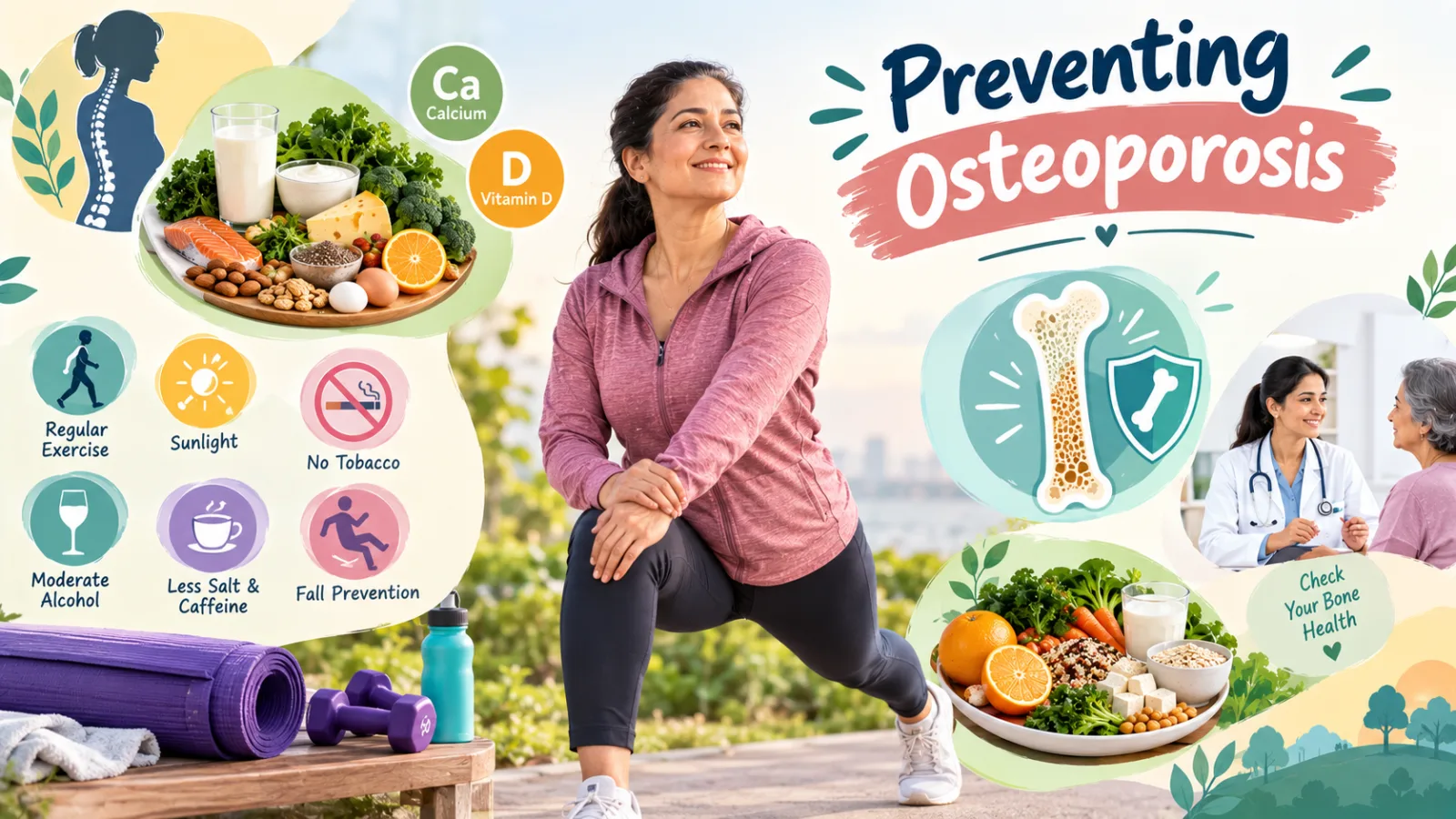
Preventing Osteoporosis

Osteoporosis makes bones weak, thin, and more likely to fracture, especially in the hips, spine, and wrists. Women face increased risk after menopause as estrogen levels decline. Prevention focuses on adequate calcium and vitamin D, regular weight-bearing and strength exercises, staying physically active, avoiding tobacco, limiting alcohol, and reducing fall risks. A balanced diet and timely bone health assessment can help protect bone strength and support healthy aging.