The Gewo Journal

Health knowledge,
from doctors.

Explore practical, patient-friendly guidance published by doctors in the Gewo care network. No account is required to read.

112 published articles

Latest thinking

All doctor blogs

26
Wellness4 min read

Menopause basics:

Menopause is a natural stage of life marked by declining ovarian hormones and the permanent end of menstrual periods. It may bring hot flashes, night sweats, sleep problems, mood changes, vaginal dryness, and changes in bone and heart health. Understanding perimenopause, menopause, and postmenopause helps women prepare for these changes. A balanced diet, exercise, healthy habits, and timely medical guidance can support wellbeing and quality of life throughout the menopause transition.

27
Nutrition4 min read

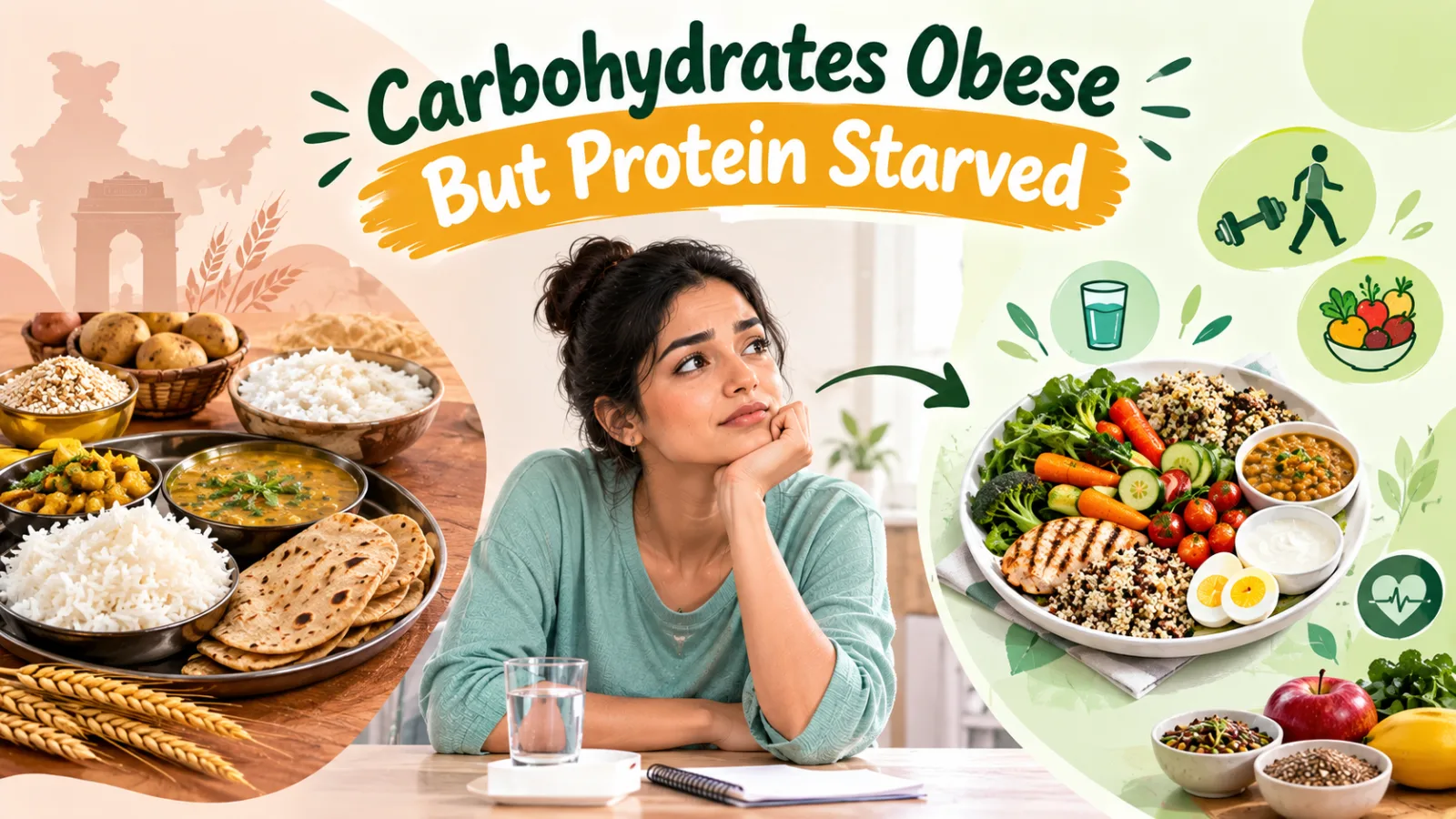
Carbohydrates obese but protein starved

India’s traditional carbohydrate-rich diet has evolved through history, affordability, food availability, and cultural habits. However, modern sedentary lifestyles can make excessive refined carbohydrates and inadequate protein a concern, contributing to obesity, diabetes, and muscle loss. The solution is not to eliminate carbs but to create balance—choose whole grains, add protein-rich foods, increase vegetables and fiber, control portions, stay active, and seek regular health checkups.

28
Nutrition4 min read

Calcium rich food

Calcium is essential for strong bones and teeth, but its role goes far beyond skeletal health. It supports muscle contraction, nerve function, blood clotting, heart rhythm, and hormone activity. Include calcium-rich foods such as milk, yogurt, cheese, ragi, tofu, leafy greens, sesame, chia seeds, almonds, fish, and eggs. Pair calcium with vitamin D and balanced meals to support absorption and bone health. A balanced diet can help prevent deficiency, fractures, and weak bones. long-term

33
Patient Education5 min read

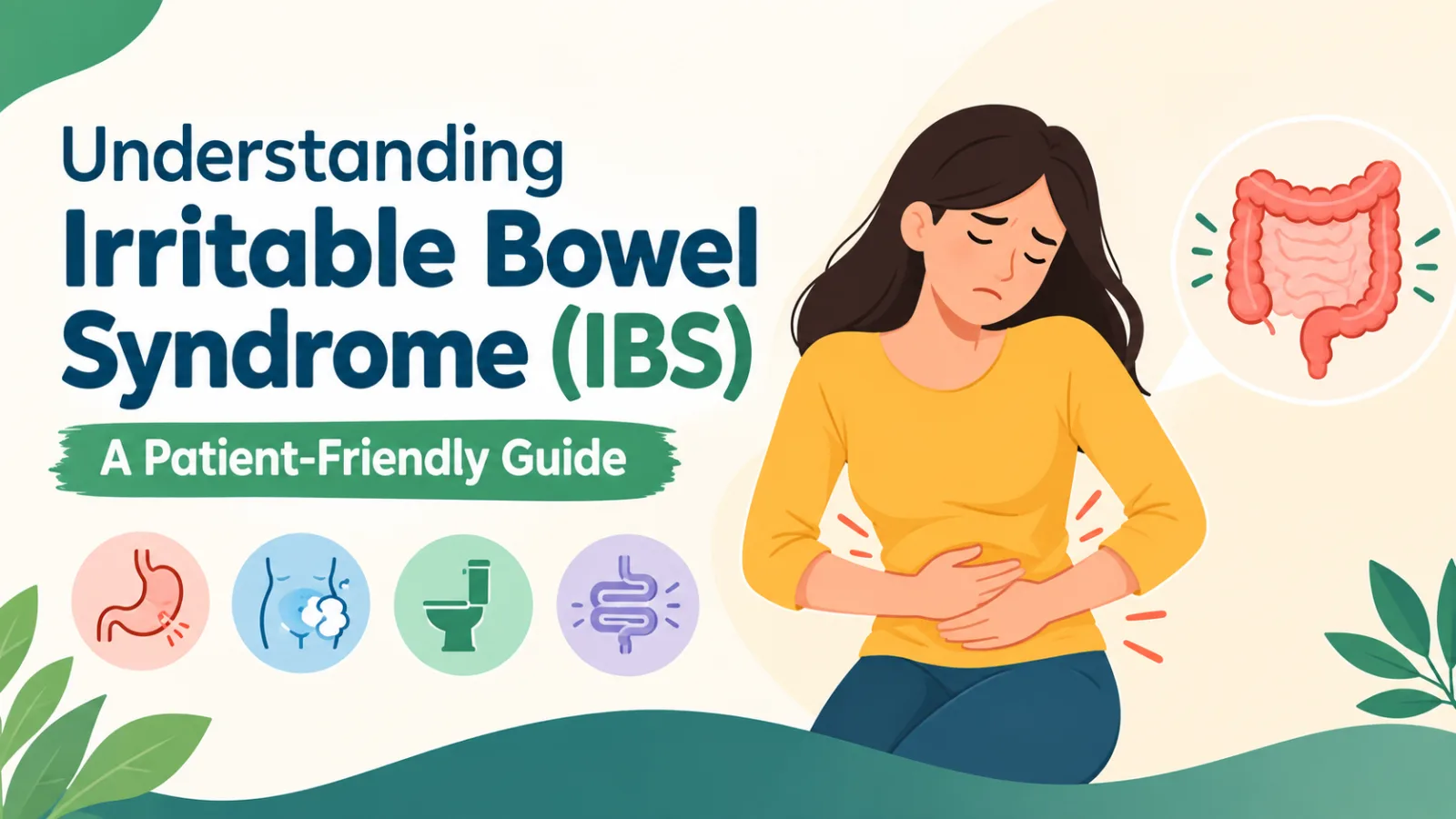
Understanding Irritable Bowel Syndrome (IBS): A Patient-Friendly Guide

Irritable Bowel Syndrome (IBS) is a common digestive condition that can cause abdominal pain, bloating, gas, diarrhoea, constipation, or changes in bowel habits. While IBS does not permanently damage the bowel, symptoms can affect daily life. Understanding food triggers, maintaining healthy routines, managing stress, staying hydrated, and using appropriate treatments can help control symptoms and improve gut health.

34
Patient Education4 min read

Vestibular Migraine

Vestibular migraine can cause dizziness, vertigo, imbalance, motion sensitivity, nausea, and visual discomfort, with or without a headache. Triggers may include poor sleep, skipped meals, dehydration, stress, hormonal changes, screens, and certain foods. Recognizing patterns through a symptom diary and getting the right medical evaluation can help manage attacks. Learn about prevention, treatment, and when dizziness needs urgent attention.

35
Patient Education5 min read

Understanding GERD: A Patient-Friendly Guide

GERD is more than occasional heartburn—it happens when stomach contents frequently flow back into the esophagus, causing symptoms such as burning in the chest, regurgitation, difficulty swallowing, cough, or disturbed sleep. Understanding triggers and making simple lifestyle changes, such as avoiding late meals, maintaining a healthy weight, adjusting sleep position, and limiting trigger foods, can help manage symptoms and protect digestive health.

36
Nutrition5 min read

Migraine Diet: What to Eat, What to Avoid, and How to Find Your Triggers?

Can food trigger your migraine? Sometimes, certain foods, drinks, dehydration, skipped meals, or inconsistent caffeine intake may contribute to attacks—but triggers are different for everyone. A balanced diet, regular meals, good hydration, and a food-and-symptom diary can help identify personal triggers. Learn what to eat, what to limit, and how small, sustainable dietary changes may support better migraine management