The Gewo Journal

Health knowledge,
from doctors.

Explore practical, patient-friendly guidance published by doctors in the Gewo care network. No account is required to read.

12 published articles

Latest thinking

All doctor blogs

01
Wellness4 min read

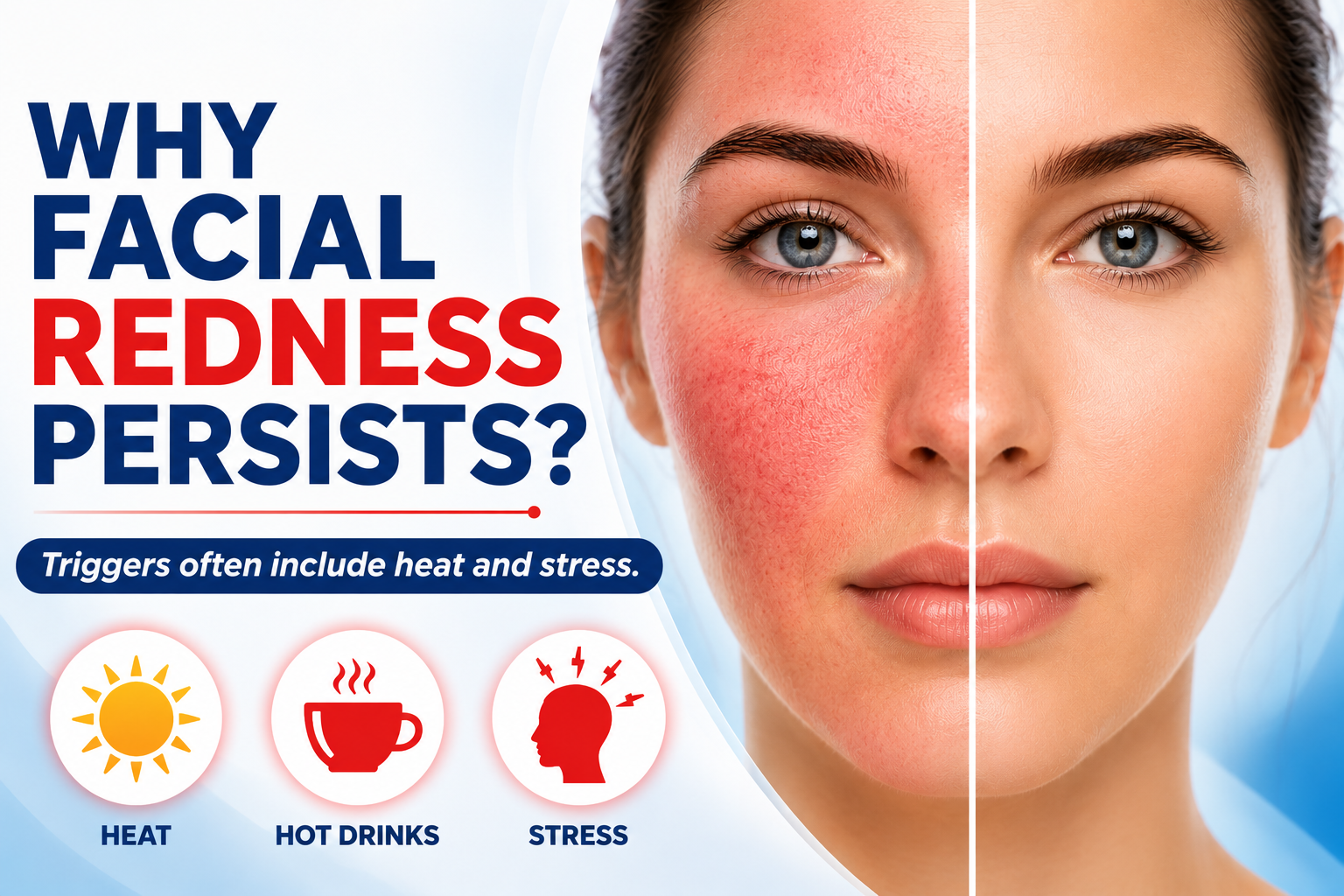
Rosacea

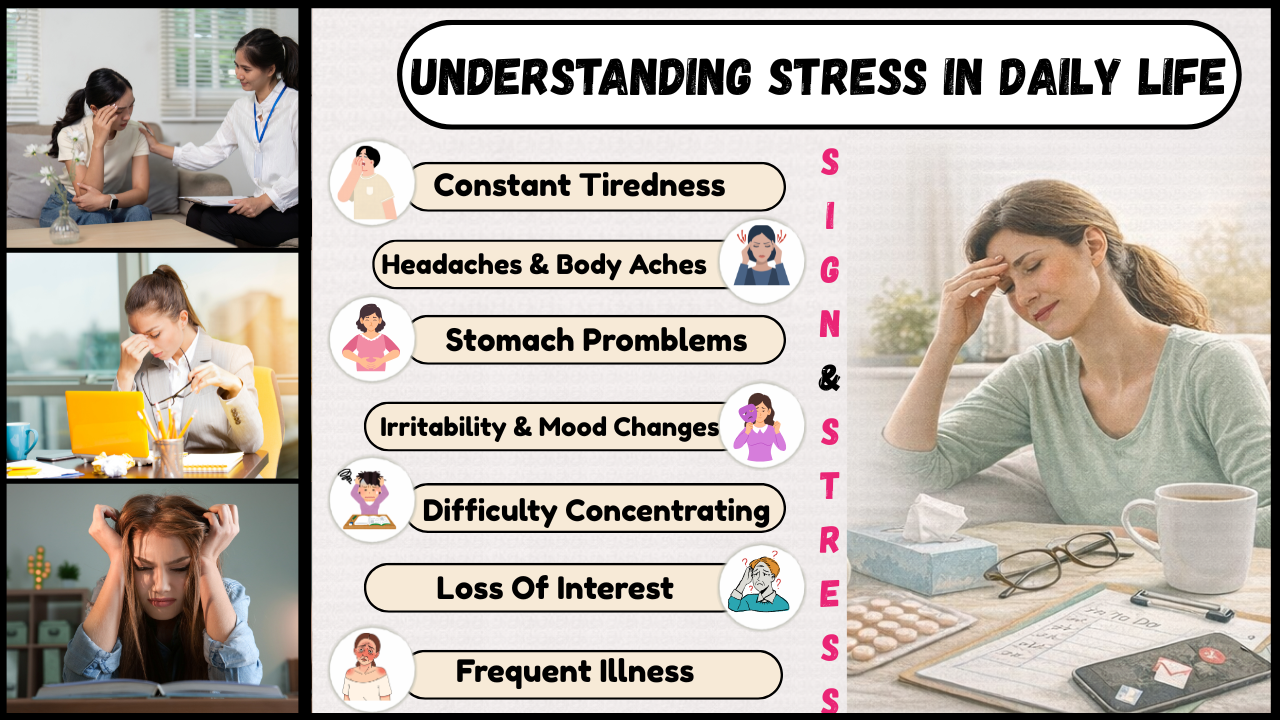
Stress is a normal part of life, but when it becomes constant, it can affect both physical and mental health. Common signs include fatigue, headaches, sleep problems, digestive issues, irritability, poor concentration, and feeling overwhelmed. Recognizing these warning signs early is important. Simple steps such as regular exercise, quality sleep, relaxation techniques, healthy routines, and seeking support when needed can help manage stress and improve overall well-being.

By Dr. Charumathi P C
02
Health Tips3 min read

Headache red flag signs

Most headaches are harmless, but some can signal a serious medical emergency. Warning signs include a sudden severe headache, weakness, slurred speech, fever with neck stiffness, seizures, persistent vomiting, headaches after head injury, or a new headache after age 50. These symptoms may indicate conditions such as stroke, meningitis, or bleeding in the brain. Recognizing red flag signs early and seeking immediate medical attention can be life-saving.

By Doctor Dr. Mansi Singh
03
Mental Health4 min read

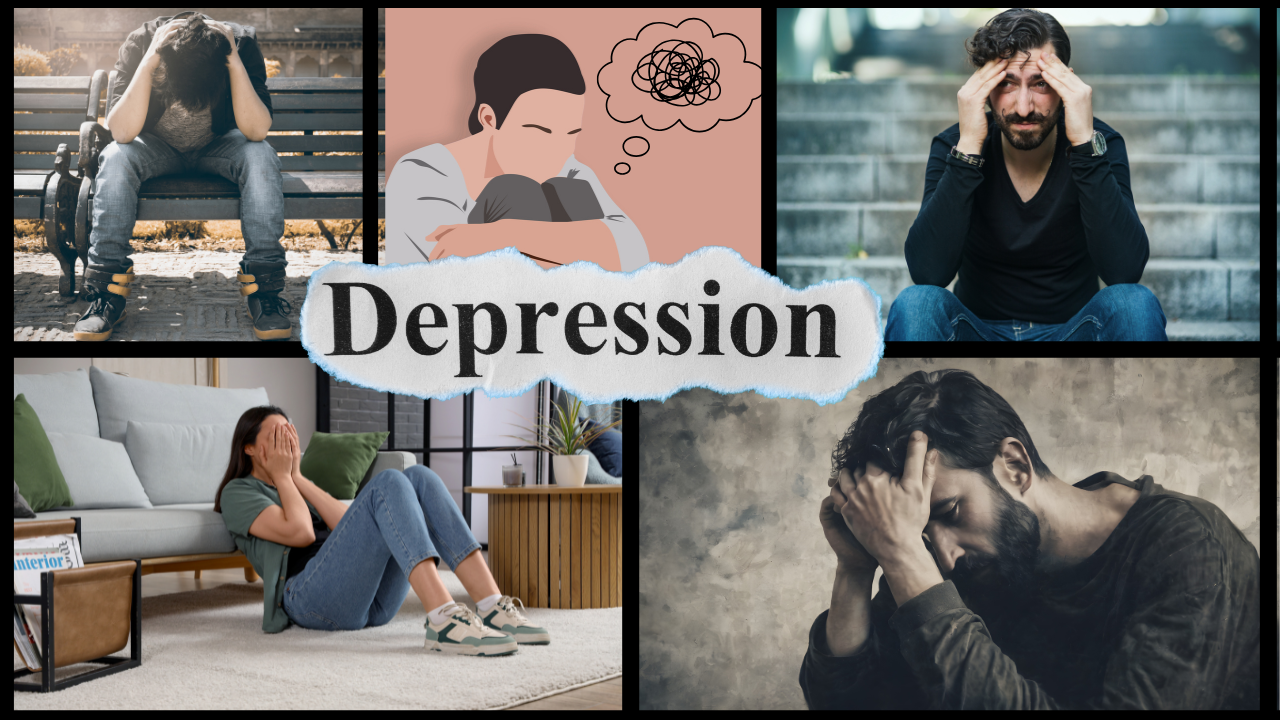
Understanding Depression

Depression is more than feeling sad—it is a common mental health condition that can affect emotions, energy, sleep, concentration, and daily life. Symptoms may include persistent low mood, loss of interest, fatigue, changes in sleep or appetite, and feelings of hopelessness. Early recognition and professional support can make a significant difference. Depression is treatable, and with the right care, recovery and improved well-being are possible.

By Doctor Dr. Mansi Singh
04
Mental Health4 min read

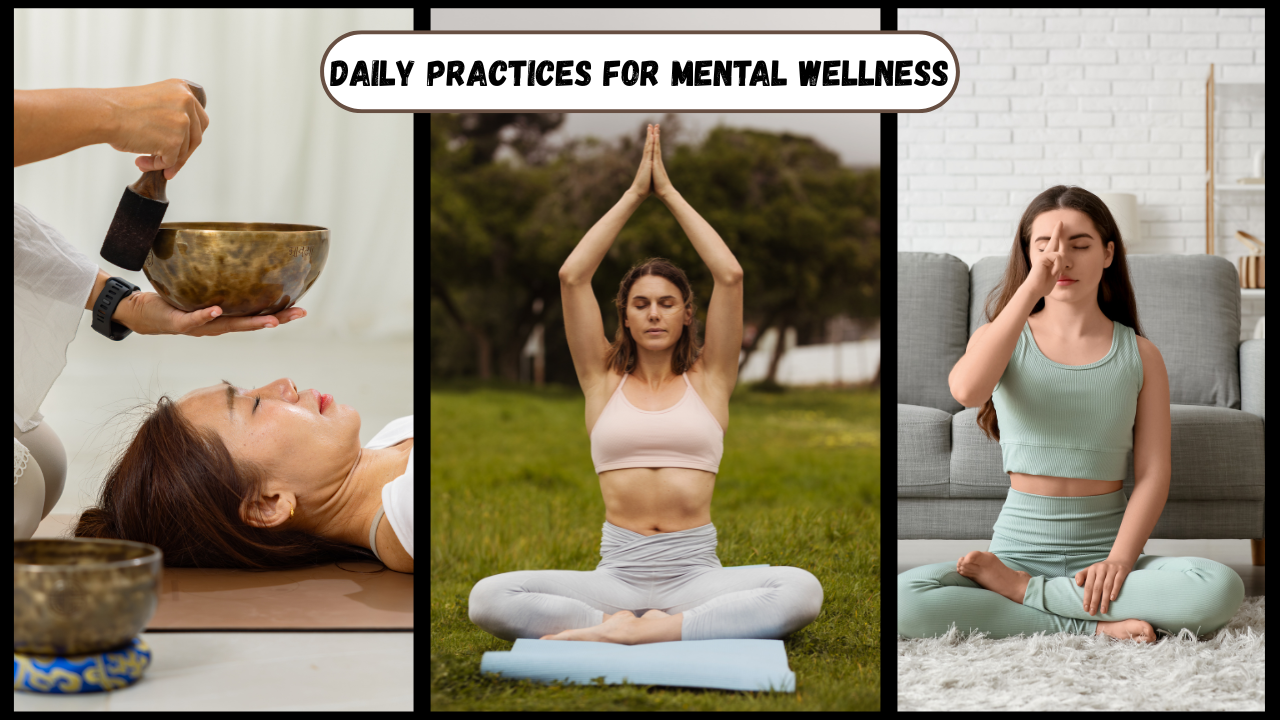
Daily Practices for Mental wellness

Mental wellness is built through small daily habits that support emotional balance, resilience, and overall well-being. Simple practices such as mindful breathing, regular physical activity, healthy eating, quality sleep, gratitude, social connection, and self-compassion can help reduce stress and improve mental health. Consistency matters more than perfection. By making time each day to care for your mind, you can build a stronger foundation for long-term emotional wellness.

By Doctor Dr. Mansi Singh
05
Mental Health6 min read

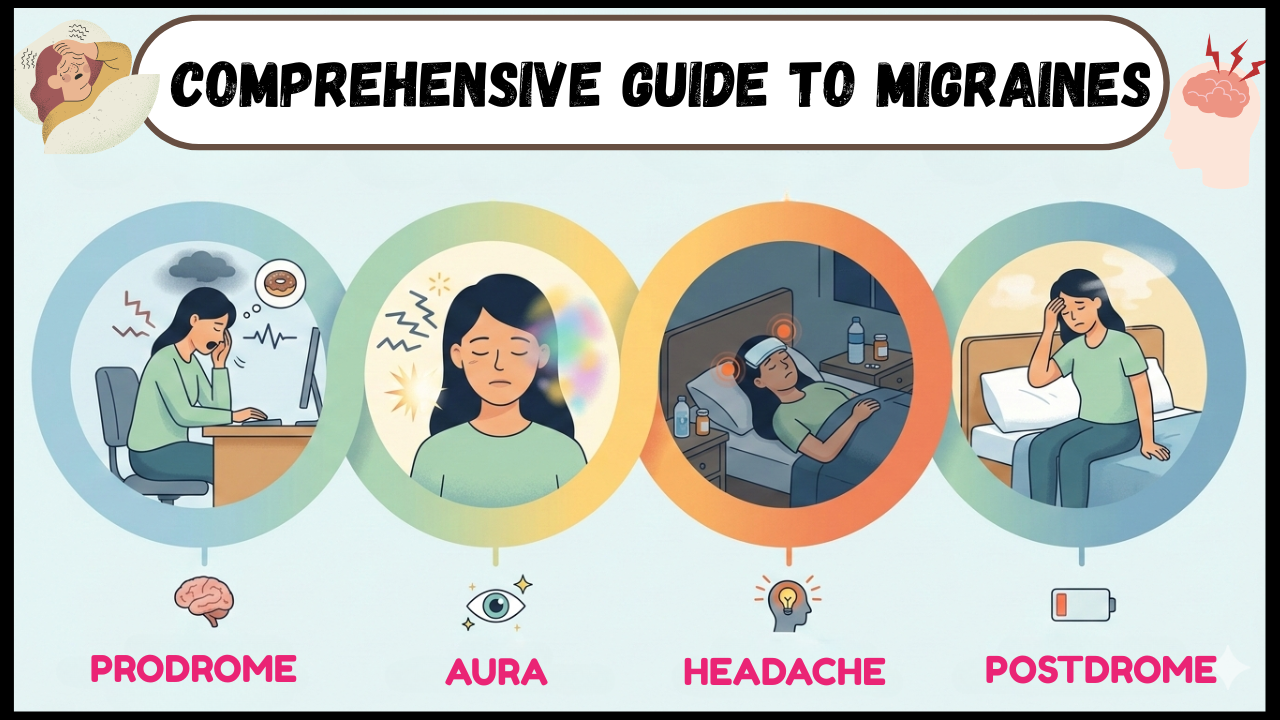
Migraines

Migraines are more than just headaches. They are a neurological condition that can cause intense throbbing pain, nausea, dizziness, and sensitivity to light, sound, or smells. Triggers such as stress, dehydration, lack of sleep, hormonal changes, and certain foods can increase the risk of attacks. While there is no permanent cure, early treatment, lifestyle adjustments, trigger management, and medical support can help reduce migraine frequency and improve quality of life. 🧠💜

By Doctor Dr. Mansi Singh
06
Mental Health4 min read

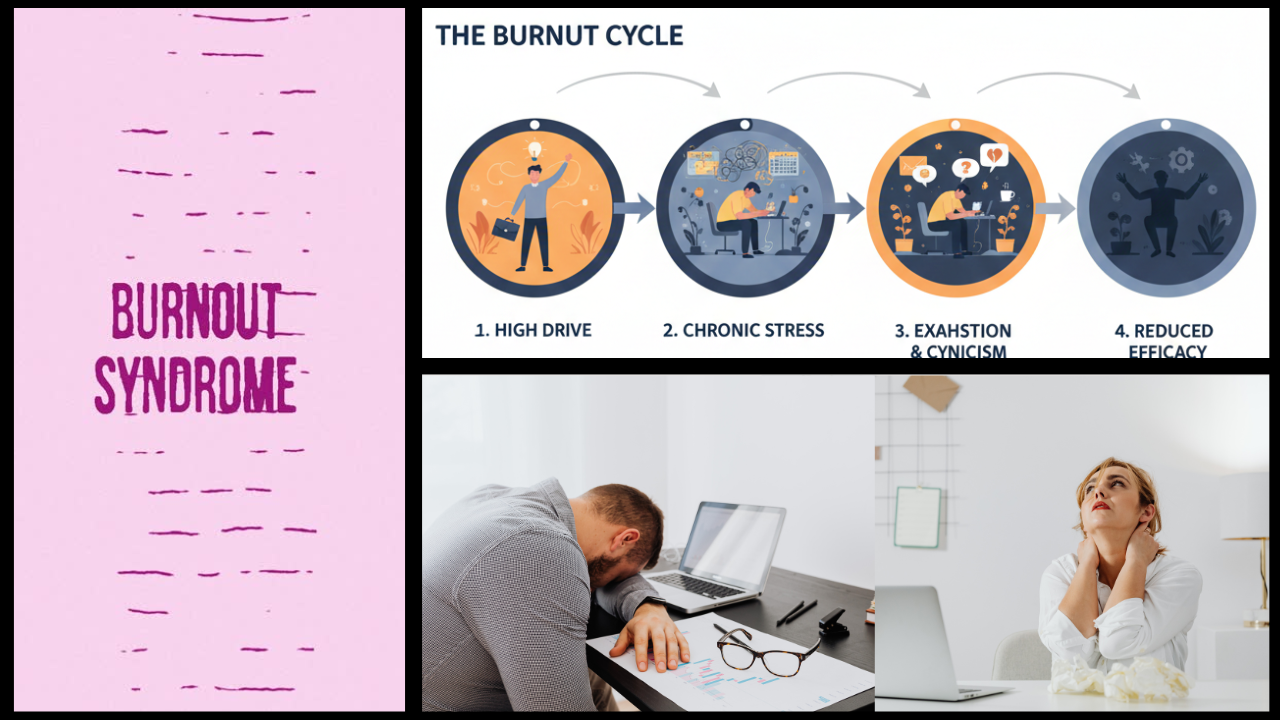
Burnout Syndrome

Burnout syndrome is more than feeling tired—it is a state of emotional, physical, and mental exhaustion caused by prolonged stress. Common signs include chronic fatigue, loss of motivation, irritability, sleep problems, and reduced productivity. This article explores the causes of burnout, how it differs from everyday stress, and practical recovery strategies such as setting boundaries, improving sleep, strengthening support systems, and seeking professional help when needed.

By Doctor Dr. Mansi Singh
08
Other4 min read

Treating Sunburn Safely

Too much sun exposure can do more than cause redness — it can damage your skin cells and increase long-term skin cancer risk. Sunburn is your skin’s inflammatory response to harmful UV rays. Common symptoms include redness, pain, swelling, peeling, and in severe cases, fever or dehydration. Cooling the skin, staying hydrated, and using soothing moisturizers like aloe vera can help support recovery. Avoid harsh products, direct ice, and further sun exposure while healing.

By Dr. Charumathi P C
09
Mental Health4 min read

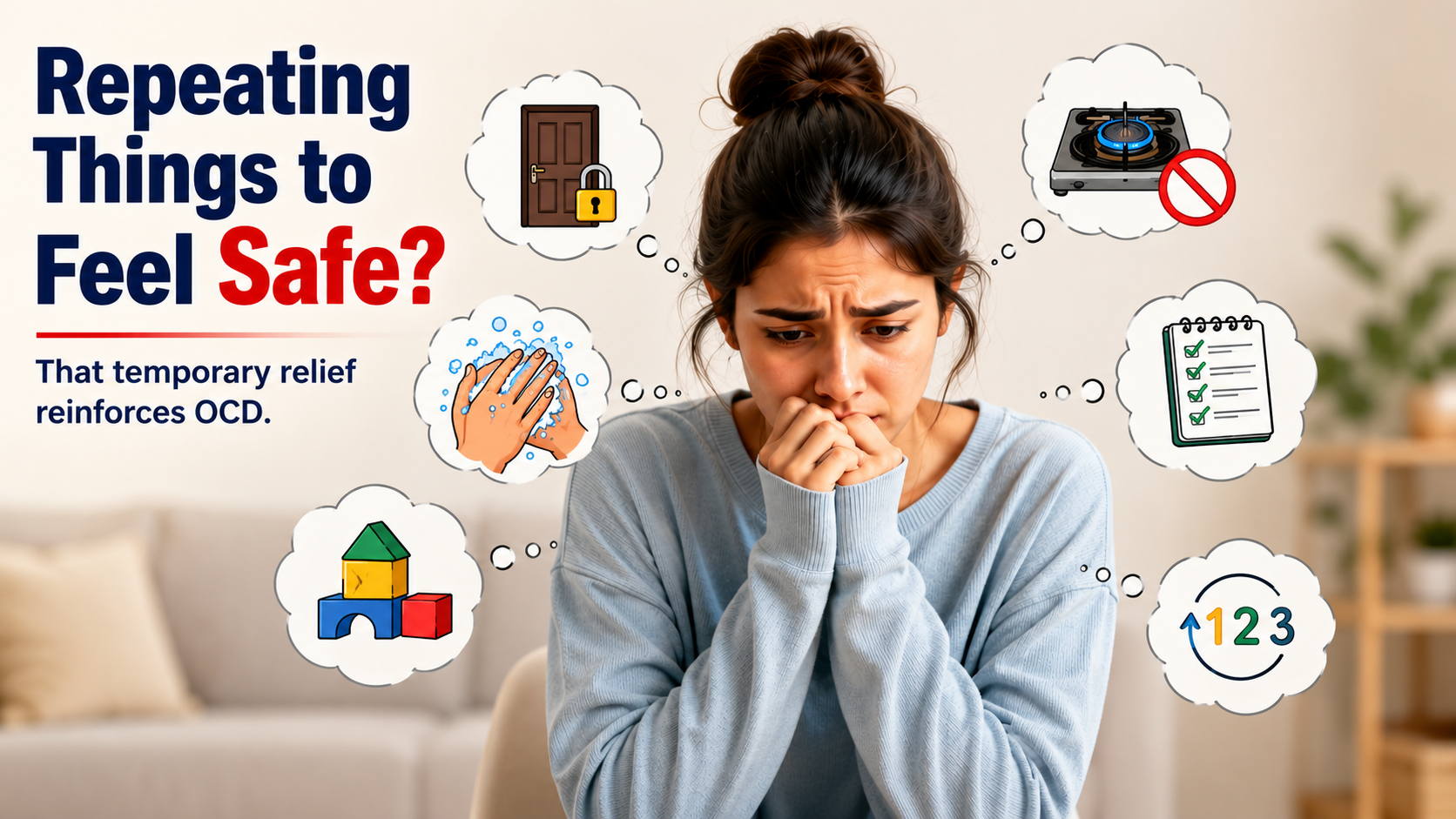
Repeating Things to Feel Safe?

Repeating things again and again just to feel “safe” can be emotionally exhausting. In OCD, compulsions like checking locks, washing hands, counting, or seeking reassurance are not habits done for pleasure — they are driven by anxiety and doubt. The temporary relief may feel comforting, but it can strengthen the OCD cycle over time. Understanding OCD with empathy matters. With proper support, therapy, and treatment, many people learn to manage compulsions and regain confidence in daily life. 💙

By Dr. Charumathi P C
10
Health Tips4 min read

Understanding Dandruff

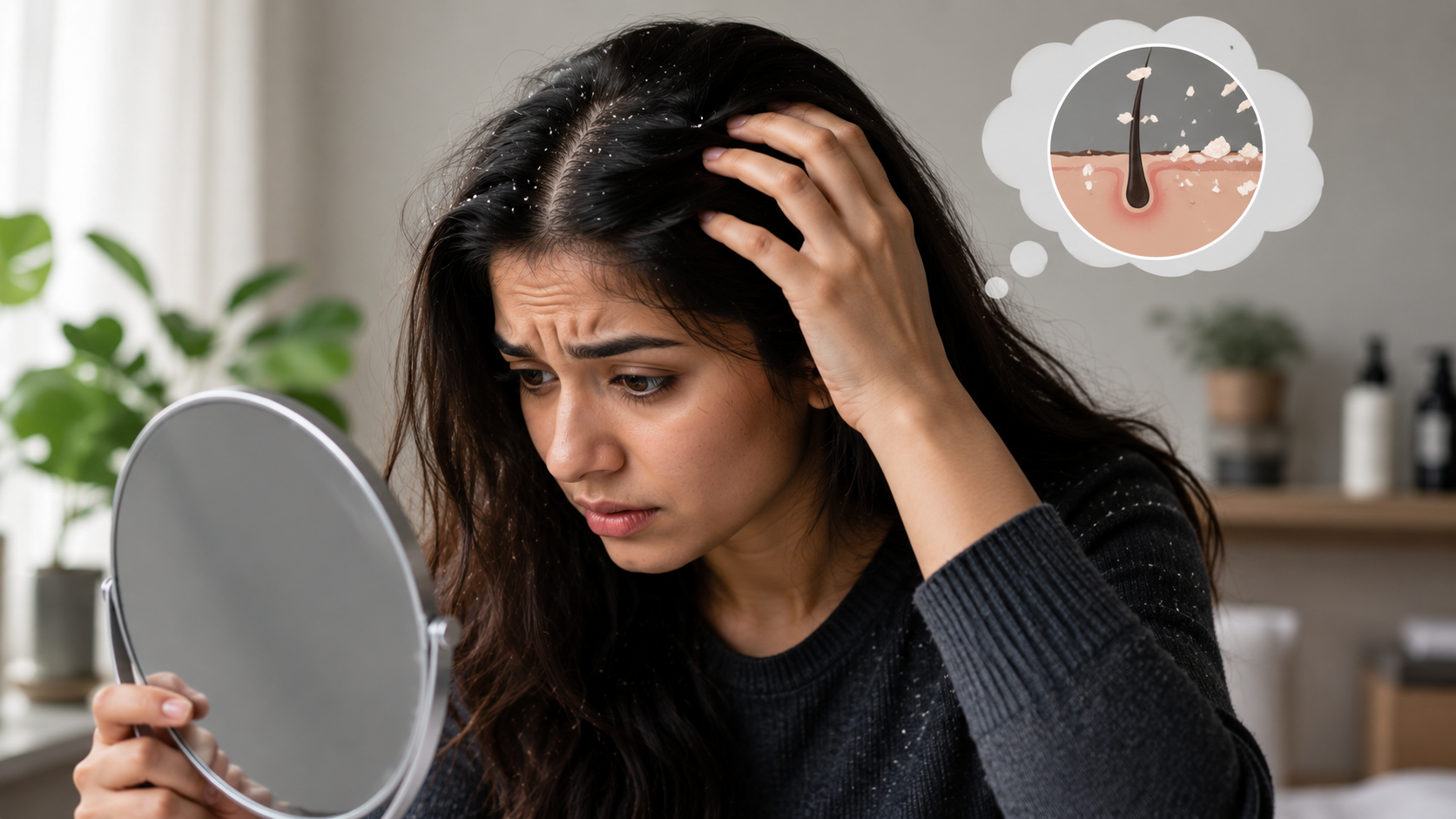
Dandruff may look like a small scalp issue, but it can create real discomfort, embarrassment, and anxiety—especially when flakes keep returning. This article explains what dandruff is, why it happens, common symptoms to watch for, and simple care steps that can help manage it at home. You’ll also learn what habits to avoid, when to seek medical advice, and how to build a healthier scalp routine with consistency and confidence.

By Dr. Charumathi P C
12
Health Tips3 min read

The Wellness Power of Amla: A Superfruit Your Body Truly Needs

Amla—also known as Indian Gooseberry—is a tiny green fruit with extraordinary healing potential. Celebrated for centuries in traditional wellness systems, Amla is one of the richest natural sources of vitamin C and is valued for its rejuvenating properties. Despite its small size, this nutrient-dense fruit delivers remarkable benefits for immunity, skin, hair, digestion, and overall vitality.

By Physian Naivn Singh