The Gewo Journal

Health knowledge,
from doctors.

Explore practical, patient-friendly guidance published by doctors in the Gewo care network. No account is required to read.

112 published articles

Latest thinking

All doctor blogs

73
Mental Health4 min read

Sleep Disorders and Mental Health

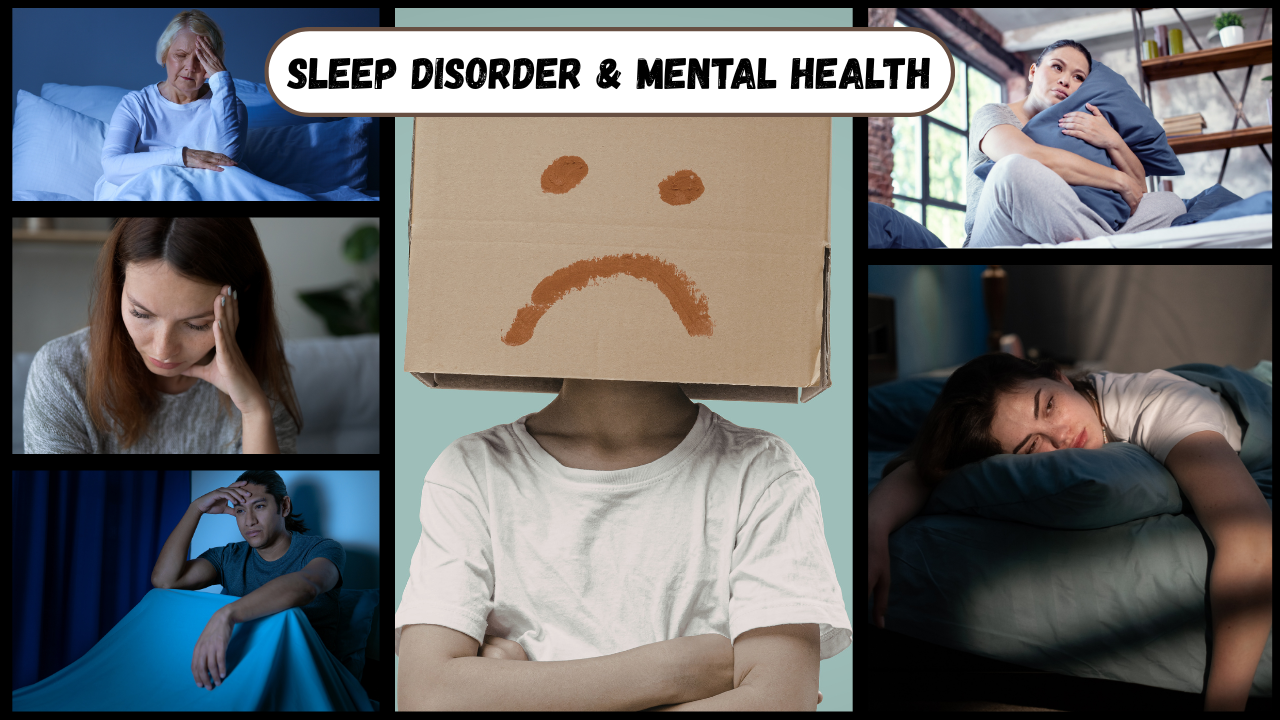
Quality sleep is essential for both mental and physical well-being. Poor sleep can affect mood, concentration, memory, and stress levels, while mental health conditions can also disrupt sleep. Common sleep disorders such as insomnia, sleep apnea, and restless legs syndrome may increase the risk of anxiety, depression, and burnout. Prioritizing healthy sleep habits, maintaining a consistent routine, and seeking help when needed can support long-term mental wellness.

By Dr. Mansi Singh
74
Mental Health4 min read

Simple Ways to Reduce Stress

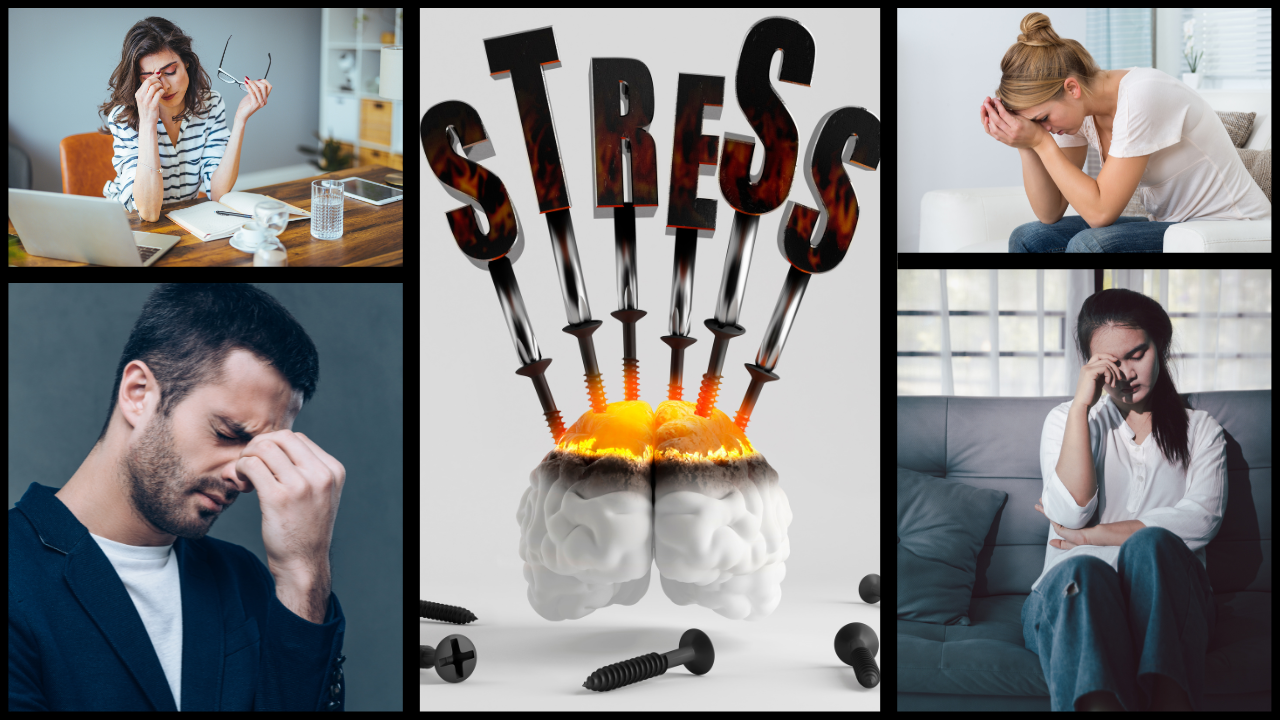
Stress is a natural part of life, but when it builds up, it can affect both mental and physical health. Small daily habits can make a big difference. Deep breathing, regular movement, quality sleep, healthy eating, staying hydrated, taking breaks, limiting screen time, and talking to trusted people can help reduce stress levels. Making time for enjoyable activities and practicing self-kindness also support emotional well-being. Managing stress starts with simple, consistent steps every day.

By Dr. Mansi Singh
75
Mental Health4 min read

Postpartum Mental Health

The postpartum period brings major emotional, physical, and lifestyle changes that can affect mental well-being. While mood fluctuations are common, persistent sadness, anxiety, exhaustion, difficulty bonding with the baby, or feelings of overwhelm may signal a postpartum mental health concern. Early recognition, support from loved ones, self-care, and professional help when needed can promote recovery, strengthen parent-child bonding, and support the well-being of the entire family.

By Dr. Mansi Singh
76
Mental Health4 min read

Panic Attacks

Panic attacks can feel frightening, causing symptoms such as a racing heart, shortness of breath, dizziness, sweating, trembling, and intense fear. These episodes occur when the body’s fight-or-flight response becomes activated, even when no real danger exists. Although panic attacks can feel overwhelming, they are not life-threatening. Understanding the physical and emotional changes involved can help reduce fear, improve coping skills, and encourage timely support when needed.

By Dr. Mansi Singh
78
Mental Health4 min read

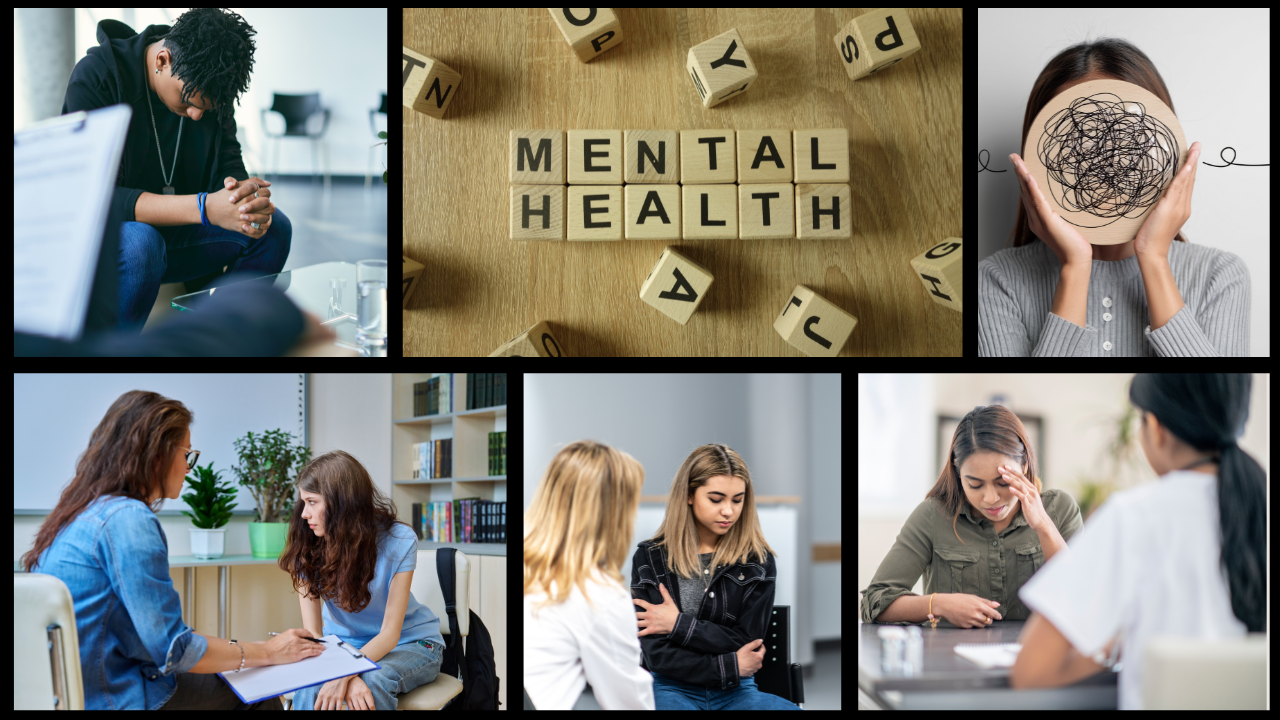
Mental Health in Teenagers

Adolescence is a time of major emotional and social change, making mental health support more important than ever. Persistent mood changes, social withdrawal, academic decline, sleep disturbances, irritability, or loss of interest in activities may be warning signs that should not be ignored. Early recognition, open communication, and timely professional support can help teenagers build resilience, improve emotional well-being, and navigate challenges with confidence.

By Dr. Mansi Singh
79
Health Tips3 min read

Headache red flag signs

Most headaches are harmless, but some can signal a serious medical emergency. Warning signs include a sudden severe headache, weakness, slurred speech, fever with neck stiffness, seizures, persistent vomiting, headaches after head injury, or a new headache after age 50. These symptoms may indicate conditions such as stroke, meningitis, or bleeding in the brain. Recognizing red flag signs early and seeking immediate medical attention can be life-saving.

By Dr. Mansi Singh
80
Mental Health4 min read

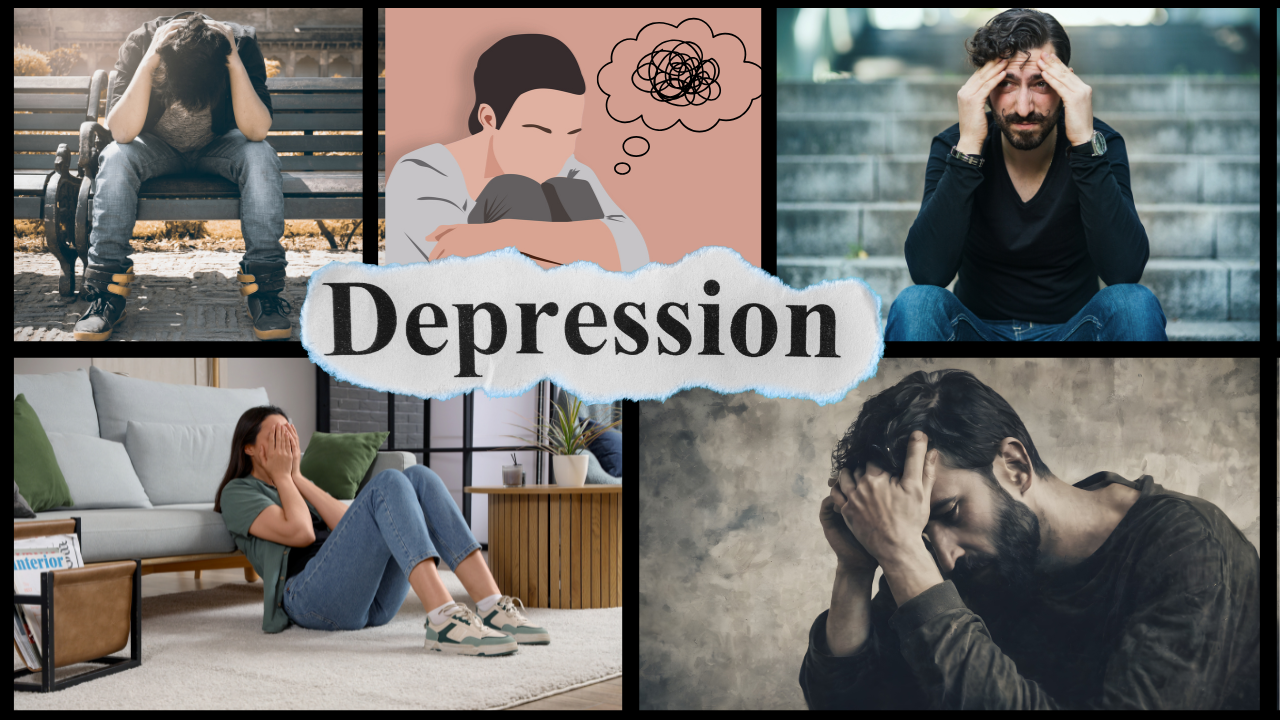
Understanding Depression

Depression is more than feeling sad—it is a common mental health condition that can affect emotions, energy, sleep, concentration, and daily life. Symptoms may include persistent low mood, loss of interest, fatigue, changes in sleep or appetite, and feelings of hopelessness. Early recognition and professional support can make a significant difference. Depression is treatable, and with the right care, recovery and improved well-being are possible.

By Dr. Mansi Singh
81
Mental Health4 min read

Daily Practices for Mental wellness

Mental wellness is built through small daily habits that support emotional balance, resilience, and overall well-being. Simple practices such as mindful breathing, regular physical activity, healthy eating, quality sleep, gratitude, social connection, and self-compassion can help reduce stress and improve mental health. Consistency matters more than perfection. By making time each day to care for your mind, you can build a stronger foundation for long-term emotional wellness.

By Dr. Mansi Singh
82
Mental Health6 min read

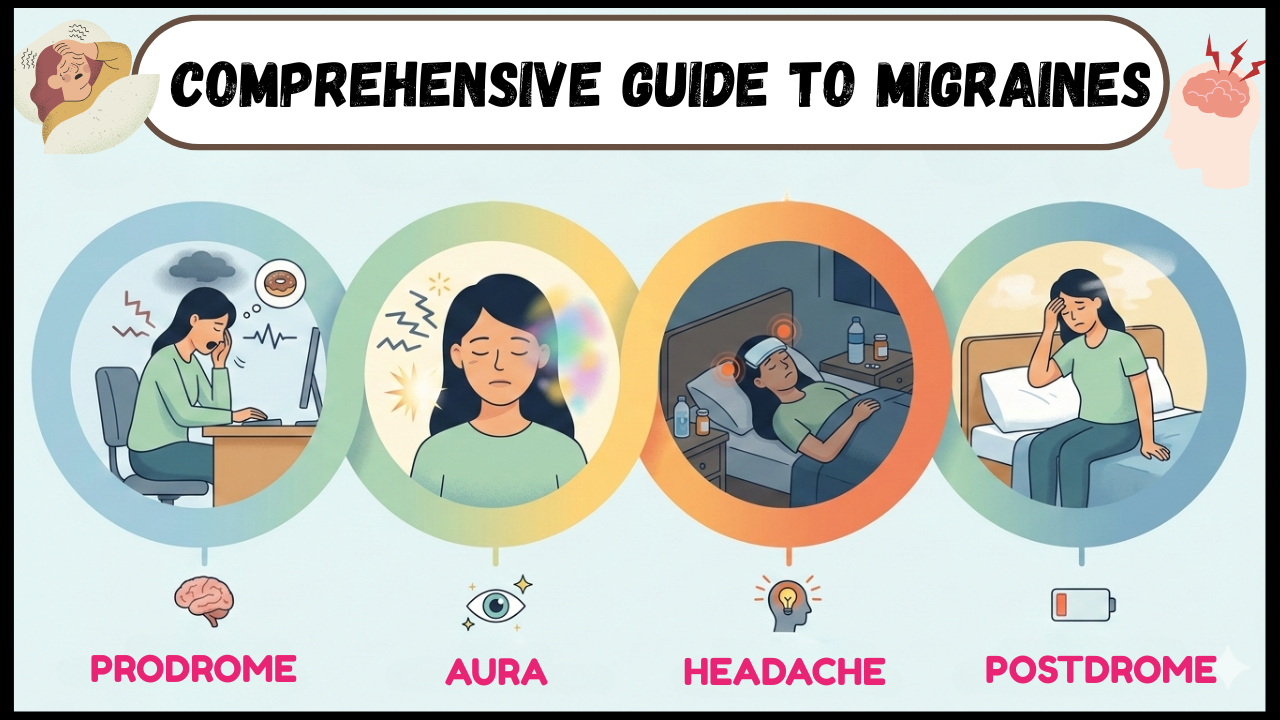
Migraines

Migraines are more than just headaches. They are a neurological condition that can cause intense throbbing pain, nausea, dizziness, and sensitivity to light, sound, or smells. Triggers such as stress, dehydration, lack of sleep, hormonal changes, and certain foods can increase the risk of attacks. While there is no permanent cure, early treatment, lifestyle adjustments, trigger management, and medical support can help reduce migraine frequency and improve quality of life. 🧠💜

By Dr. Mansi Singh
83
Mental Health4 min read

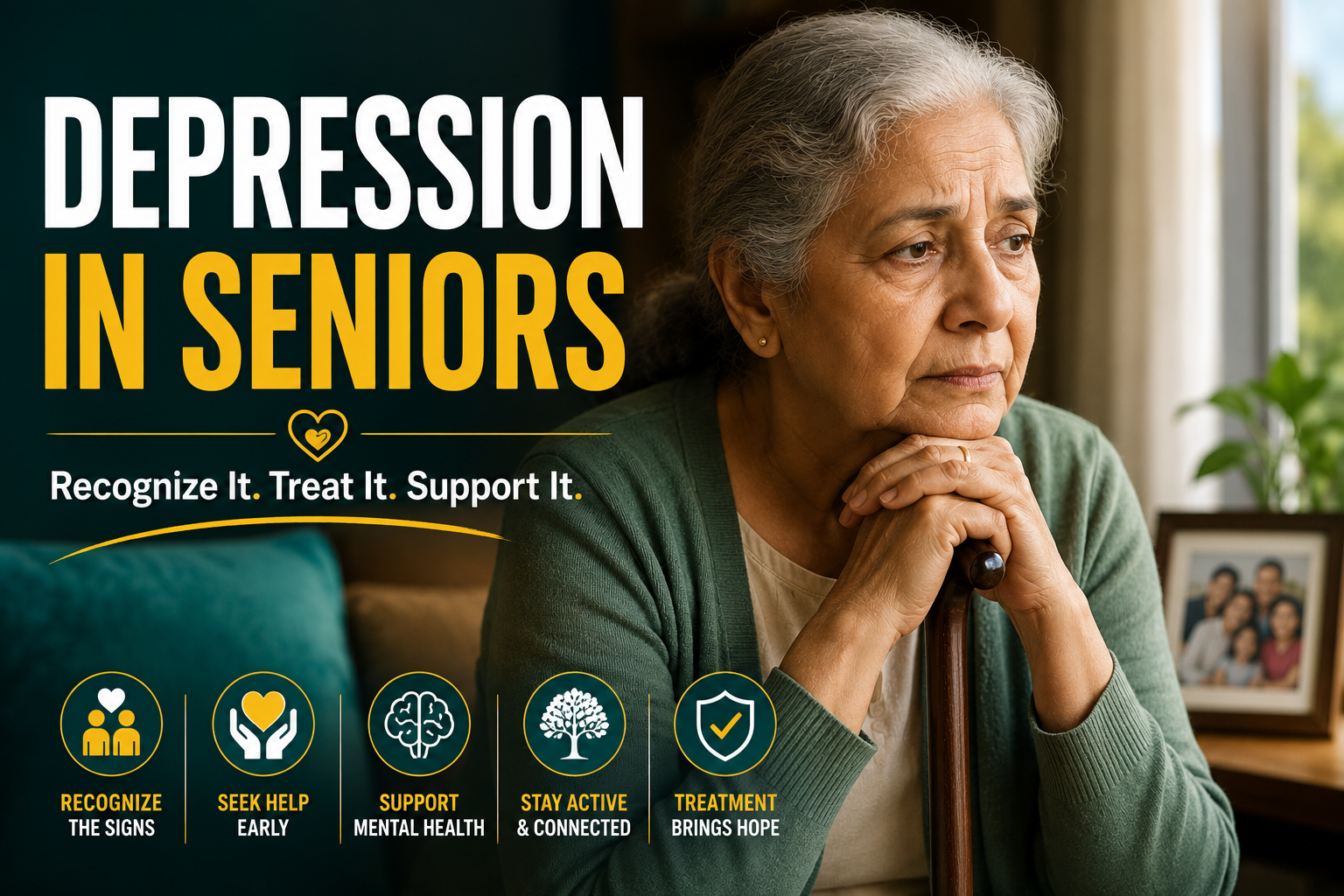
Depression in Seniors

Depression is not a normal part of aging. It is a common but treatable mental health condition that affects many older adults. Symptoms may include persistent sadness, loss of interest in activities, fatigue, sleep problems, changes in appetite, and social withdrawal. Early recognition and professional support can make a significant difference. With proper treatment, social connection, and compassionate care, seniors can improve their emotional well-being and quality of life. 💙

84
Mental Health4 min read

Burnout Syndrome

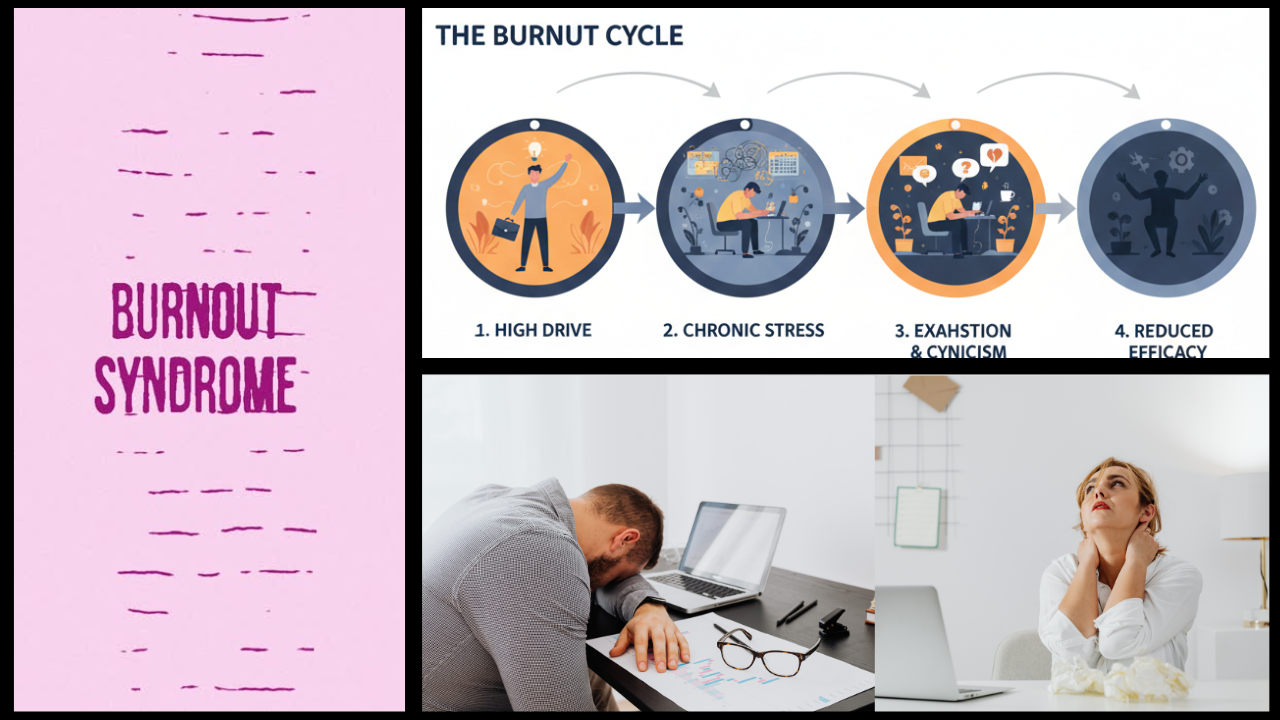
Burnout syndrome is more than feeling tired—it is a state of emotional, physical, and mental exhaustion caused by prolonged stress. Common signs include chronic fatigue, loss of motivation, irritability, sleep problems, and reduced productivity. This article explores the causes of burnout, how it differs from everyday stress, and practical recovery strategies such as setting boundaries, improving sleep, strengthening support systems, and seeking professional help when needed.

By Dr. Mansi Singh