The Gewo Journal

Health knowledge,
from doctors.

Explore practical, patient-friendly guidance published by doctors in the Gewo care network. No account is required to read.

112 published articles

Latest thinking

All doctor blogs

97
Health Tips5 min read

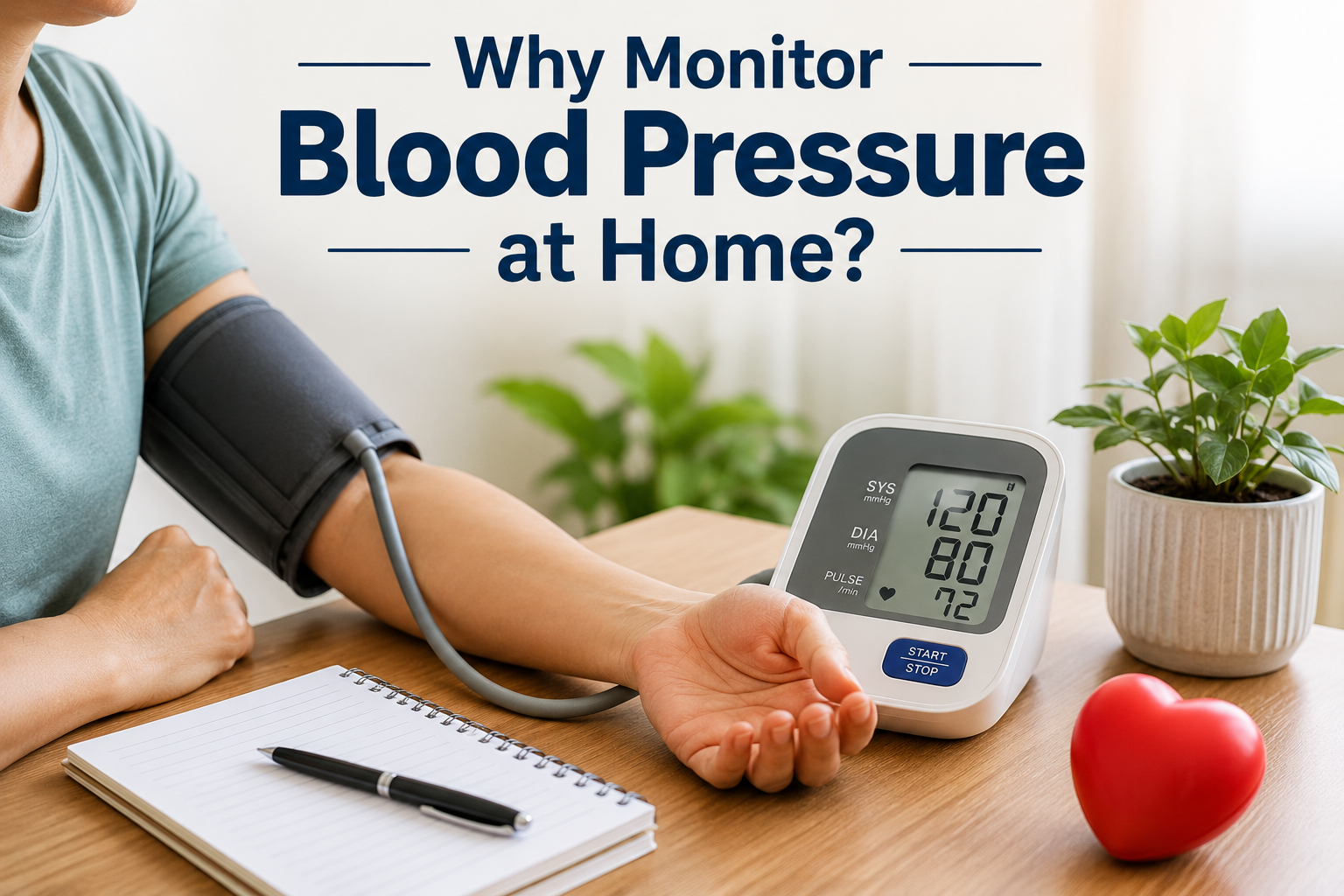
Why monitor blood pressure at home ?

Home blood pressure monitoring helps people track their blood pressure regularly and understand how well their treatment is working. It is especially useful for individuals with hypertension, diabetes, heart disease, or those starting new medications. Using a validated monitor correctly and recording readings consistently can help detect changes early and support better heart health. Regular monitoring, along with medical guidance, plays an important role in preventing complications.
98
Other4 min read

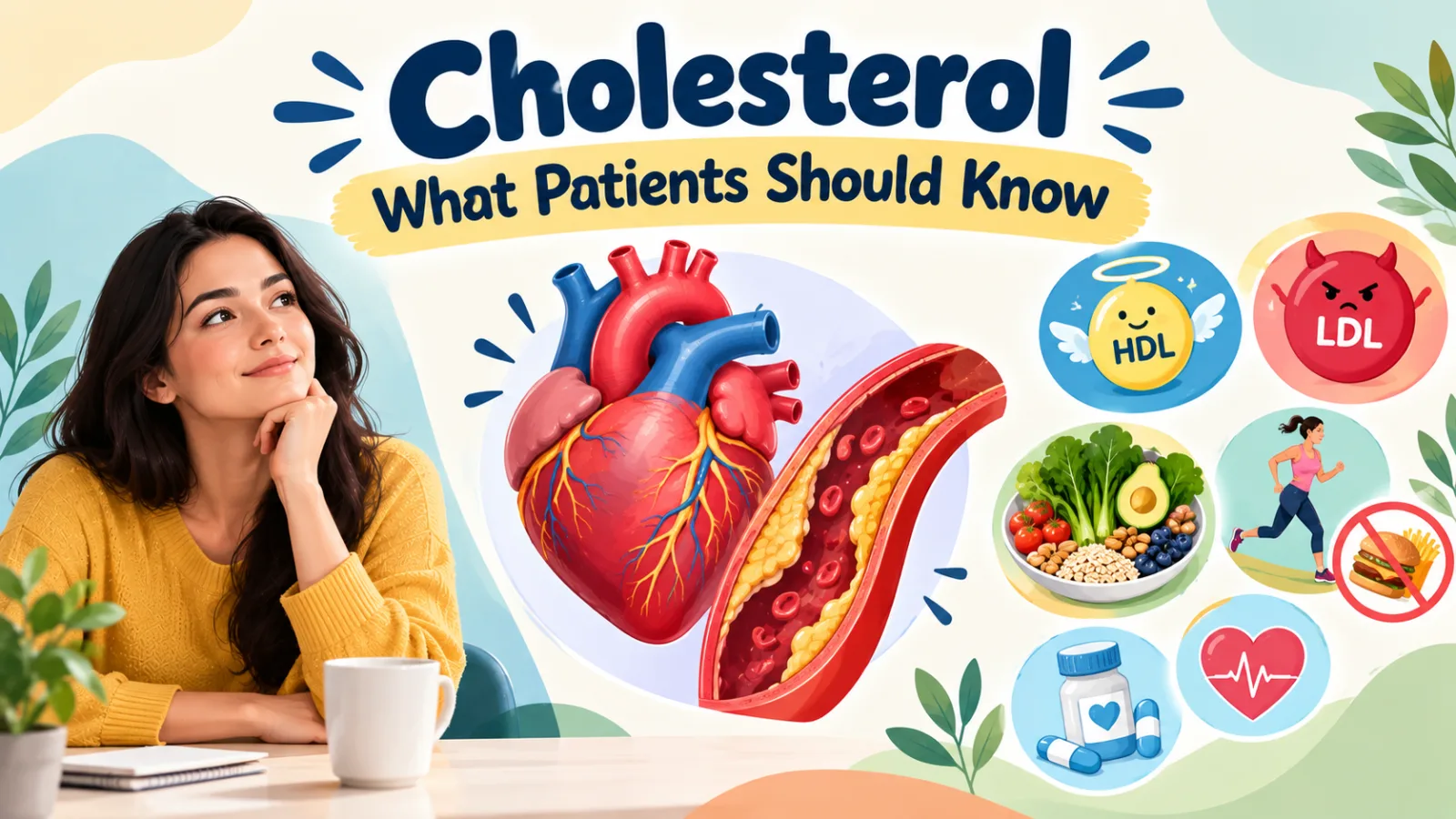
Understanding Cholesterol: Good vs Bad Cholesterol

Cholesterol is a fatty substance essential for building cells, hormones, and Vitamin D, but too much “bad” cholesterol (LDL) can build up in blood vessels and increase the risk of heart disease and stroke. “Good” cholesterol (HDL) helps remove excess cholesterol from the bloodstream. Healthy eating, regular exercise, and medical care when needed can help maintain balanced cholesterol levels and support long-term heart health.

100
Wellness4 min read

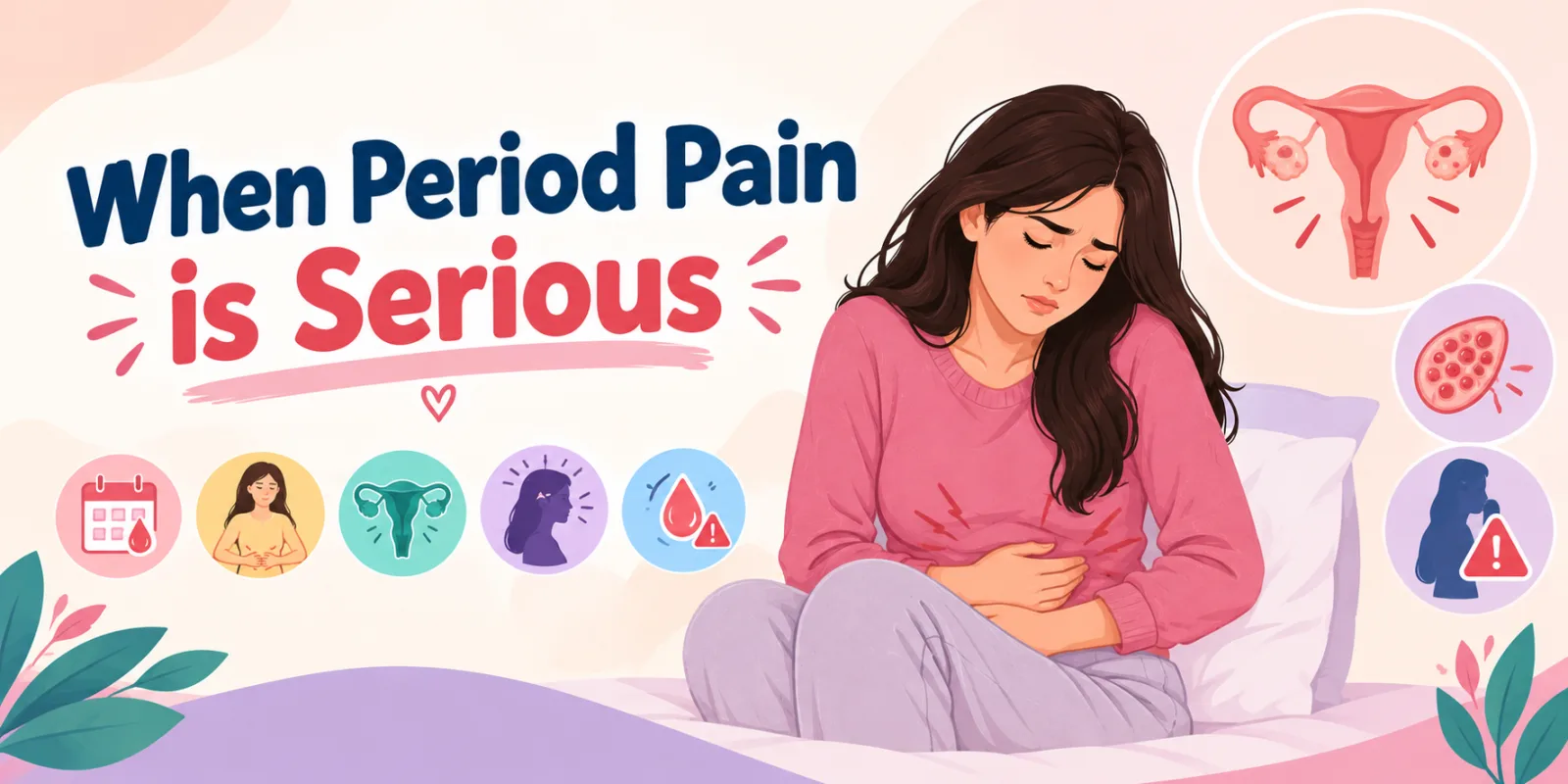
 WHEN PERIOD PAIN IS SERIOUS

Period pain is common, but severe pain that disrupts daily life is not something to ignore. This article explains the difference between normal cramps and serious conditions like endometriosis, fibroids, adenomyosis, and pelvic infections. It highlights warning signs such as heavy bleeding, worsening pain, pain during intimacy, or cramps that do not improve with medication. Understanding period pain early can help women seek proper care, treatment, and long-term relief.

By Dr. Gayathri Mohan
101
Wellness4 min read

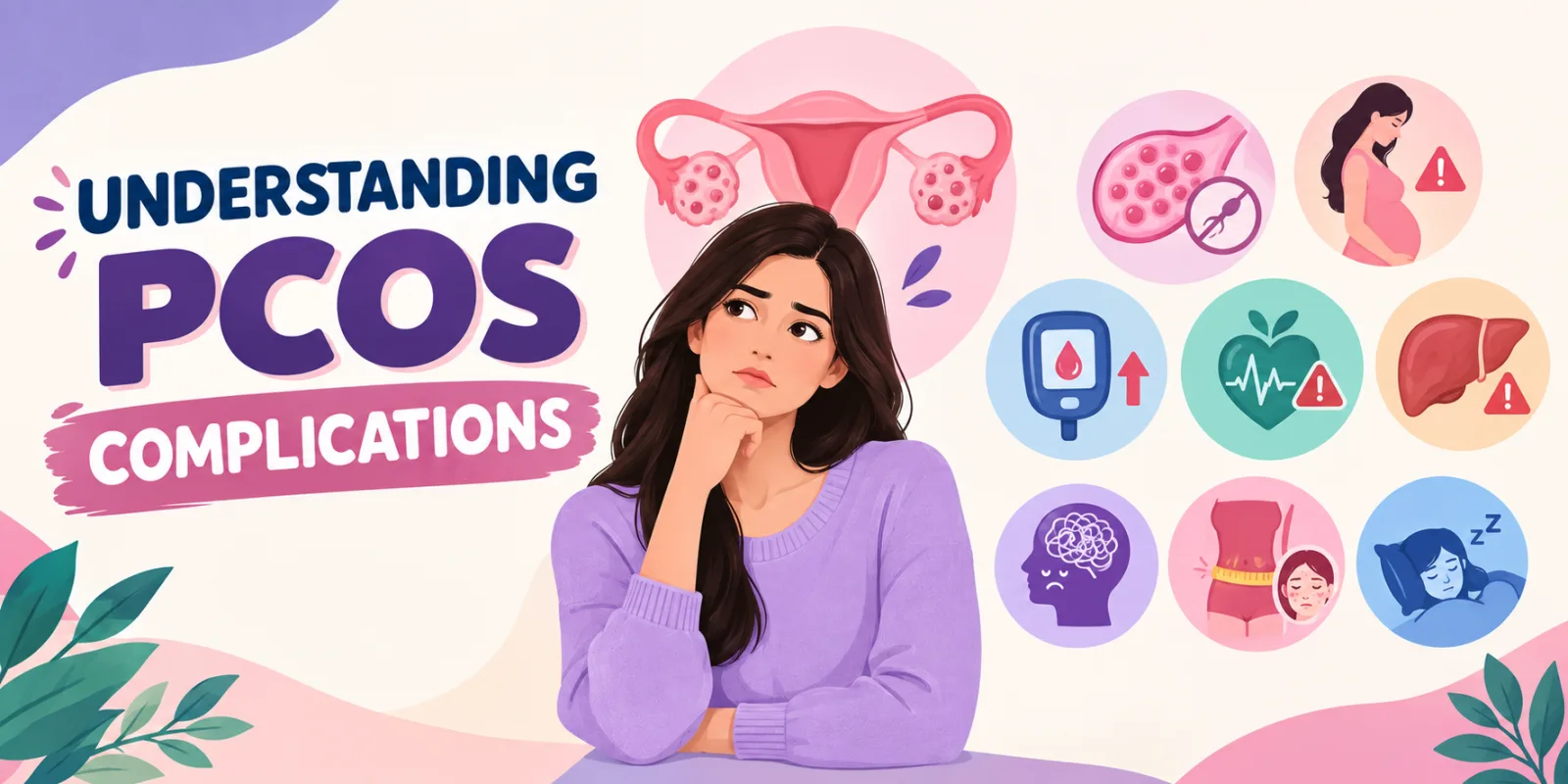
UNDERSTANDING PCOS COMPLICATIONS

PCOS is more than irregular periods — it can affect fertility, metabolism, heart health, mental wellbeing, and overall quality of life. This article explains the major complications linked to PCOS, including infertility, diabetes, high blood pressure, weight gain, anxiety, depression, and sleep issues. It also highlights the importance of early diagnosis, healthy lifestyle changes, and medical care to manage symptoms and reduce long-term health risks.

By Dr. Gayathri Mohan
102
Mental Health4 min read

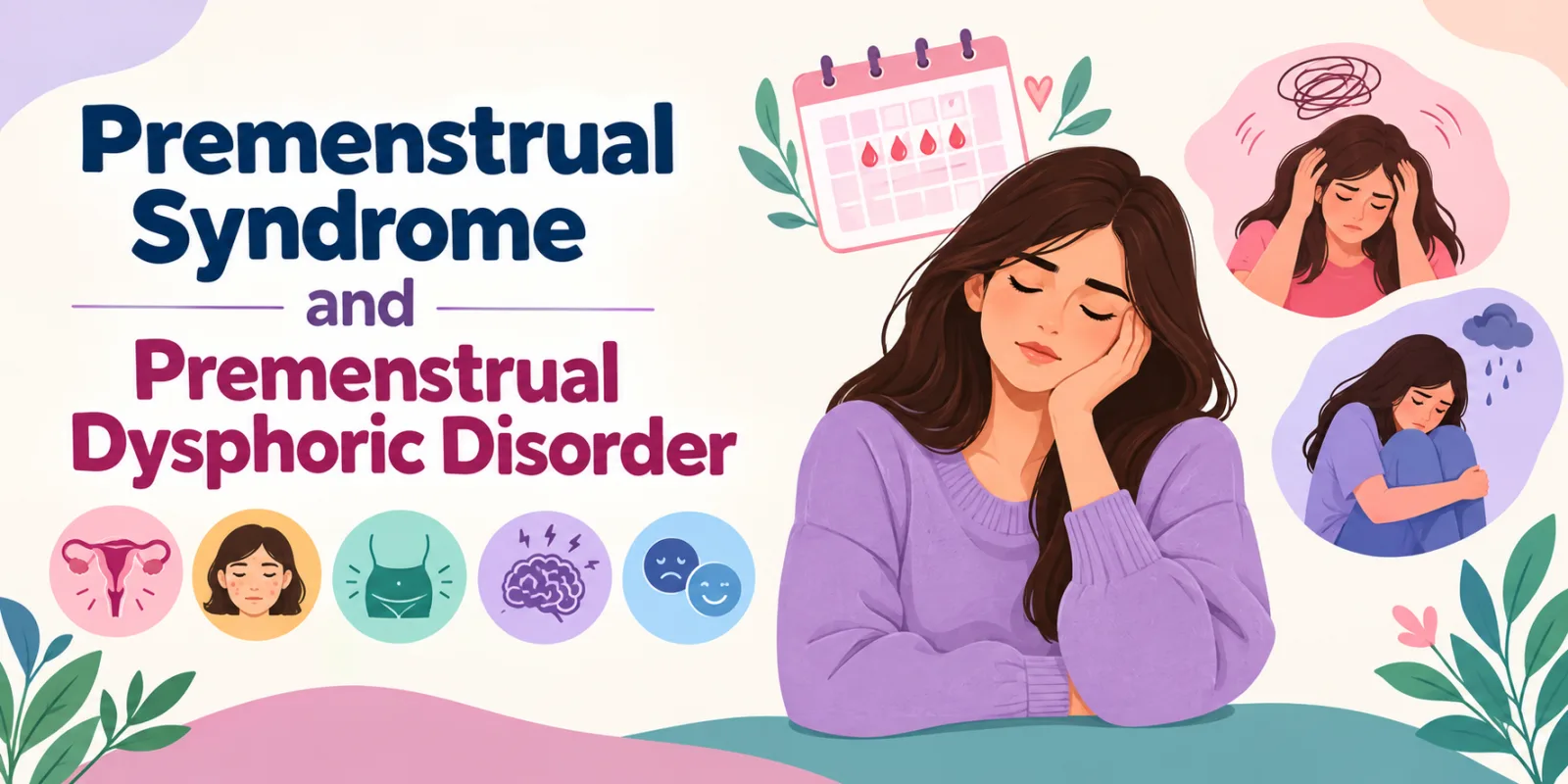
PREMENSTRUAL SYNDROME AND PREMENSTRUAL DYSPHORIC DISORDER

PMS and PMDD are more than “mood swings.” They are real hormonal conditions that can affect emotions, energy, sleep, appetite, and daily life. This article explains the symptoms, causes, emotional impact, and management of PMS and PMDD in simple language. From lifestyle changes and nutrition to medical treatment and mental health support, it highlights how understanding hormonal changes can help women manage their cycles with awareness, support, and confidence.

By Dr. Gayathri Mohan
103
Wellness4 min read

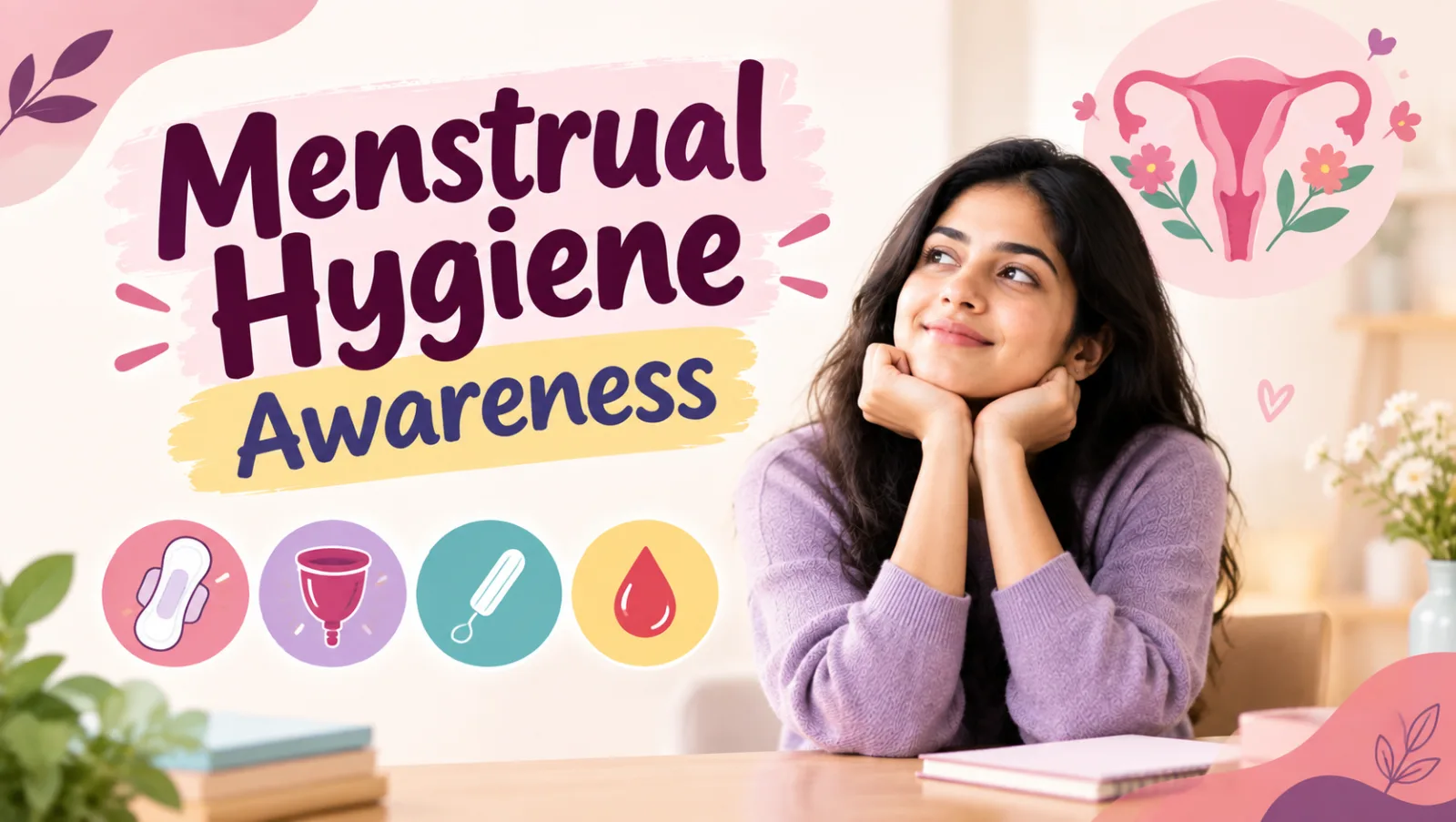
MENSTRUAL HYGIENE AWARENESS

Menstrual hygiene is essential for health, comfort, and confidence. This article explains menstruation, safe hygiene practices, product care, hand hygiene, disposal methods, and common myths around periods. It encourages open conversations, awareness, and access to clean facilities and menstrual products. Understanding periods without shame helps create healthier, safer, and more supportive communities for everyone.

By Dr. Gayathri Mohan
104
Wellness3 min read

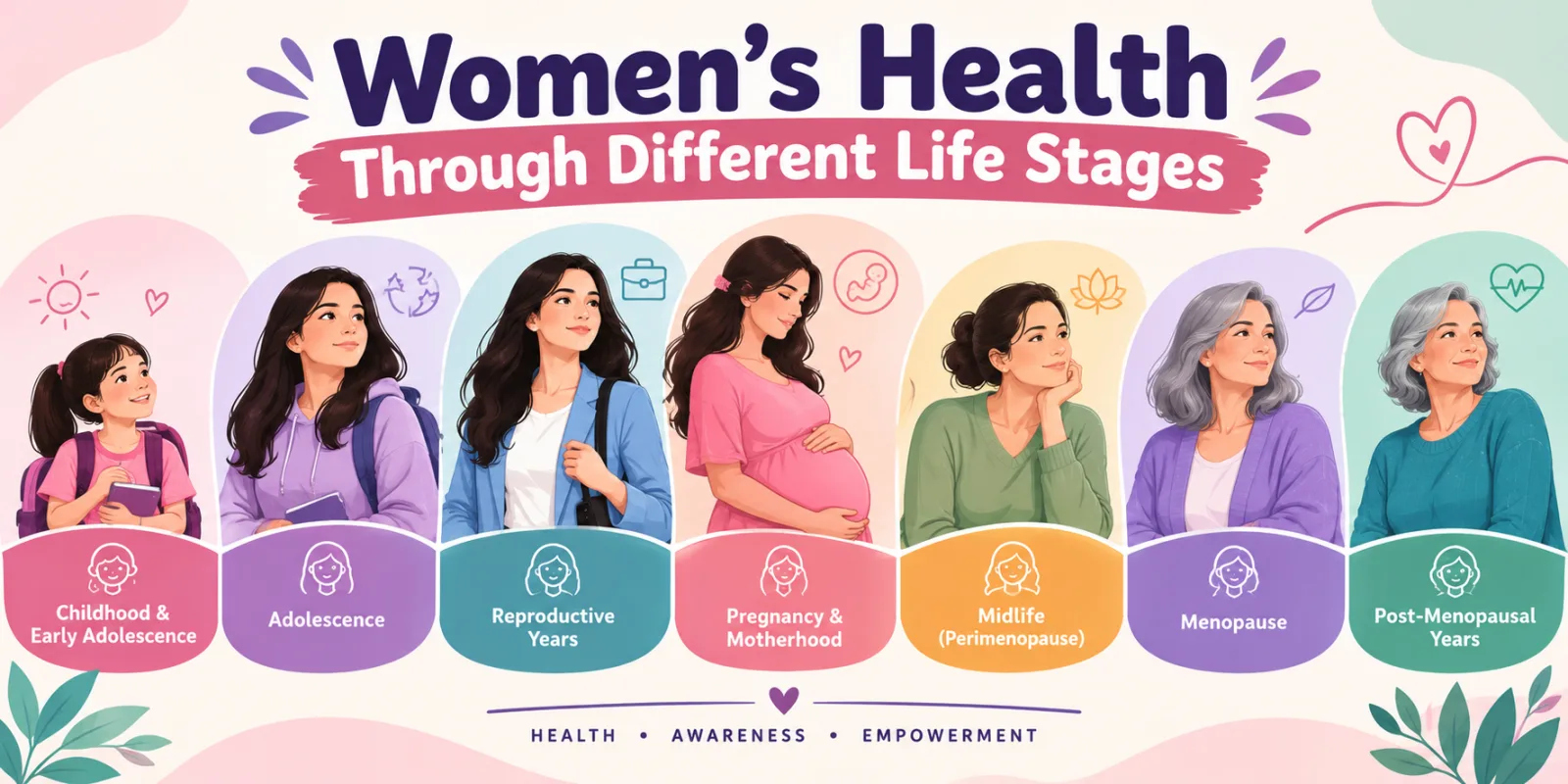
Women’s Health Through Different Life Stages

Women’s health changes through every stage of life — from puberty and reproductive years to pregnancy, menopause, and beyond. This article explains how hormones, mental health, nutrition, and lifestyle influence wellbeing across different phases of womanhood. It highlights the importance of understanding body changes, recognizing symptoms early, prioritizing emotional health, and seeking care without shame.

By Dr. Gayathri Mohan
105
Disease Prevention4 min read

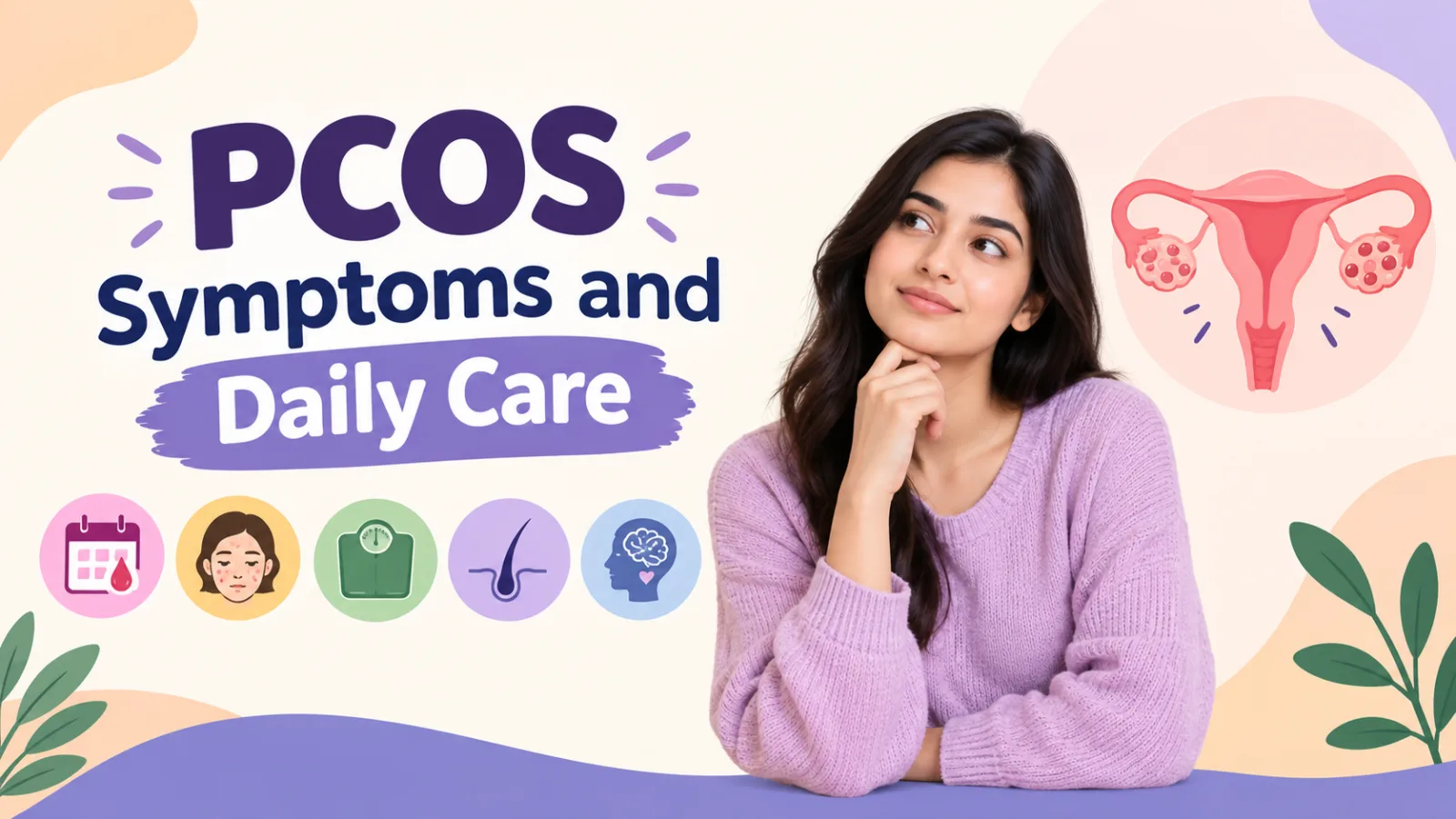
PCOS: Symptoms and Daily Care

PCOS is a common hormonal condition that can affect periods, skin, weight, fertility, and emotional health. This article explains the common symptoms of PCOS — including irregular periods, acne, facial hair, weight gain, and insulin resistance — along with simple daily care tips for better hormonal balance. From healthy eating and exercise to stress management and skincare, it highlights how small lifestyle changes can help women manage PCOS with confidence and improve overall wellbeing

By Dr. Gayathri Mohan
106
Patient Education4 min read

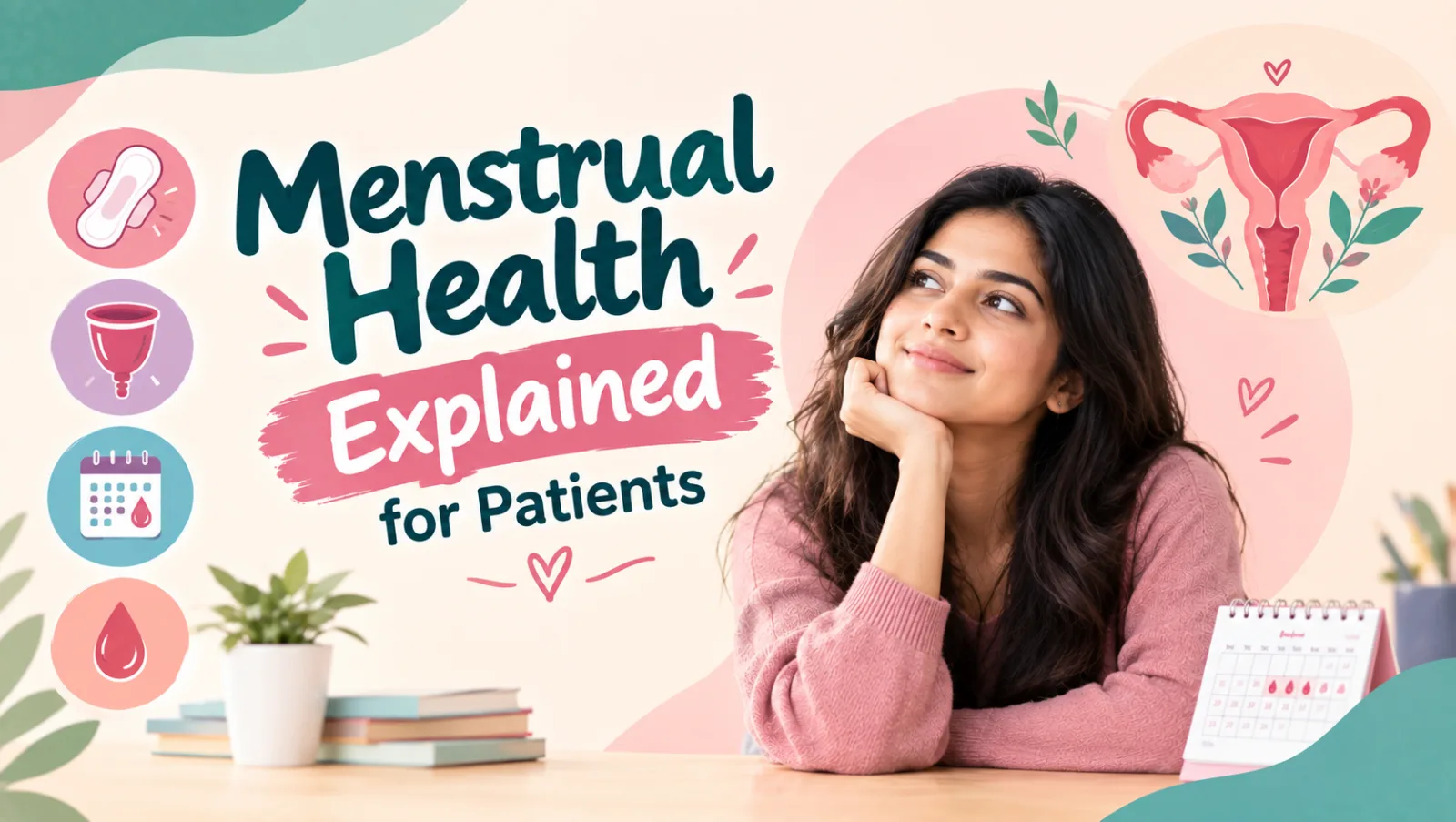
Menstrual Health Explained for Patients

Menstrual health is more than just periods — it includes physical, emotional, and social well-being. This article explains menstruation, the menstrual cycle, hygiene, nutrition, exercise, common symptoms, and when to seek medical help in simple language. It also breaks common myths and encourages open conversations without shame. Understanding your cycle helps you care for your body with confidence, dignity, awareness, and better health.

By Dr. Gayathri Mohan
107
Patient Education5 min read

Hormonal Changes Every Woman Should Know

Hormones affect mood, sleep, stress, energy, weight, periods, pregnancy, and menopause—yet many women are never taught how deeply they shape daily life. This article explains hormonal changes in a simple and honest way, covering stress, thyroid health, insulin, PCOS, postpartum recovery, perimenopause, and menopause. A gentle reminder that women’s symptoms are real, valid, and deserve care, understanding, rest, and support.

By Dr. Gayathri Mohan
108
Other4 min read

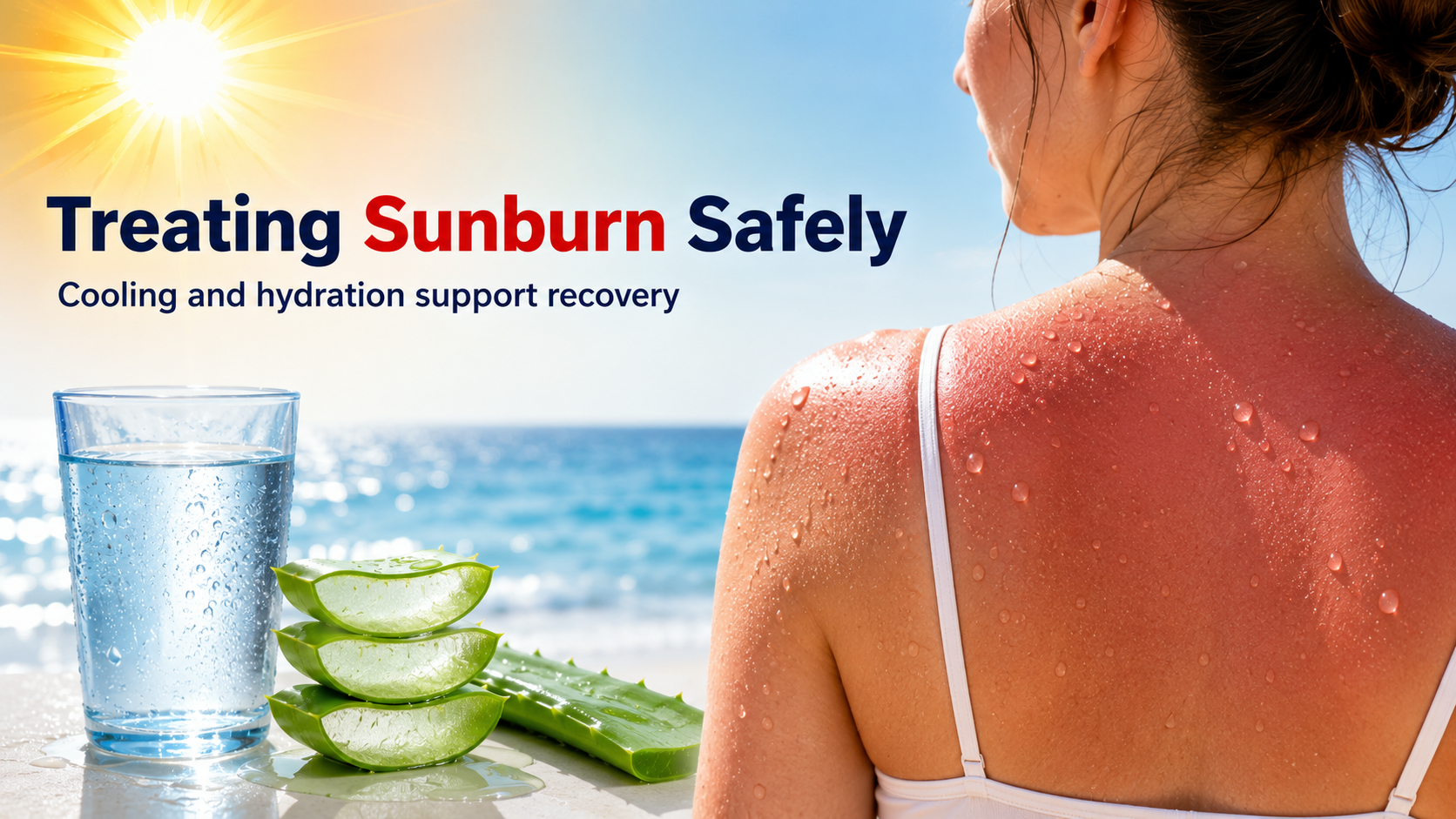
Treating Sunburn Safely

Too much sun exposure can do more than cause redness — it can damage your skin cells and increase long-term skin cancer risk. Sunburn is your skin’s inflammatory response to harmful UV rays. Common symptoms include redness, pain, swelling, peeling, and in severe cases, fever or dehydration. Cooling the skin, staying hydrated, and using soothing moisturizers like aloe vera can help support recovery. Avoid harsh products, direct ice, and further sun exposure while healing.

By Dr. Charumathi P C